





Compression Socks for Diabetes


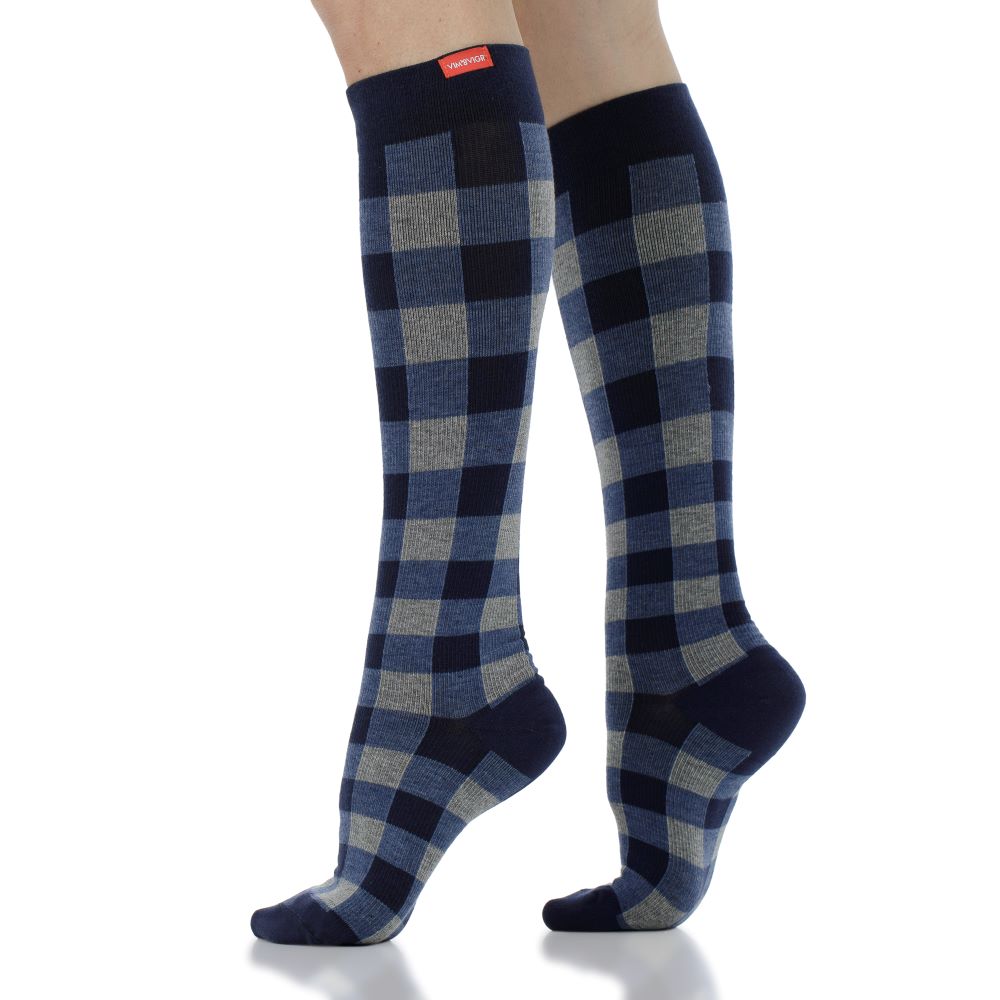
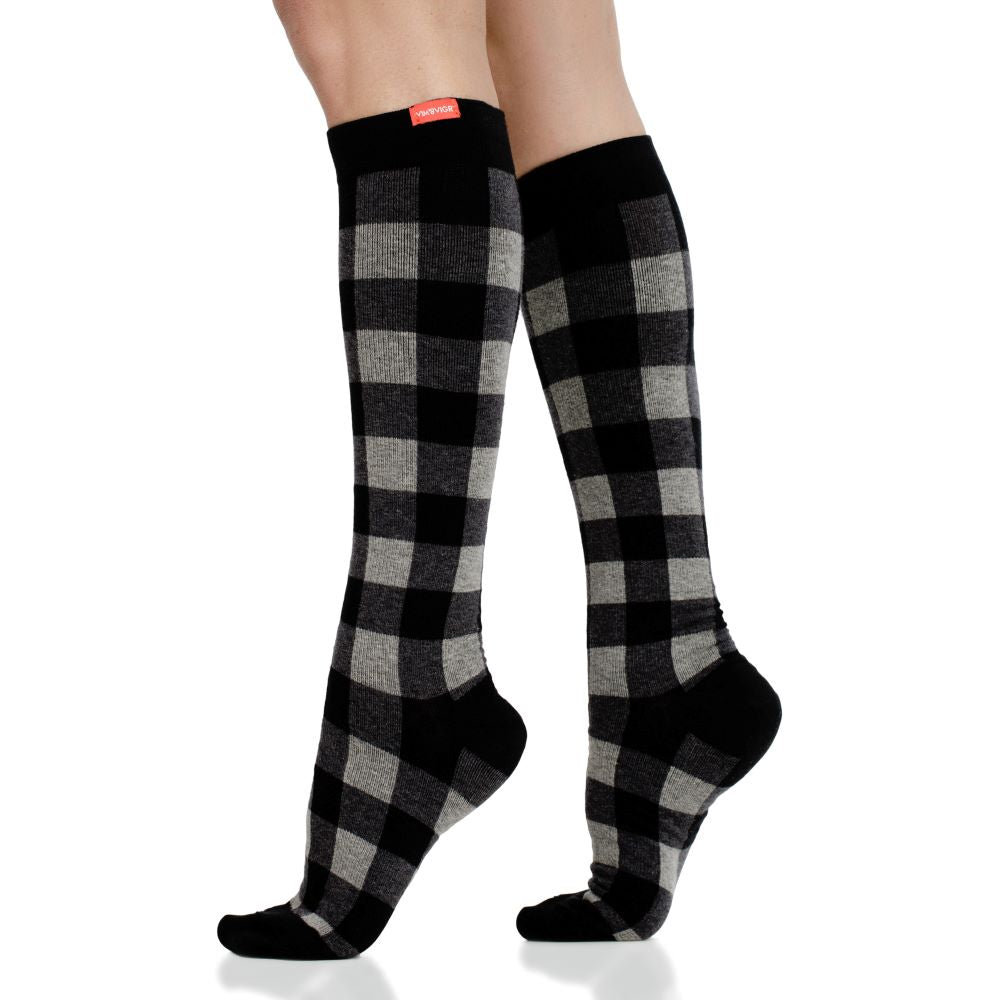
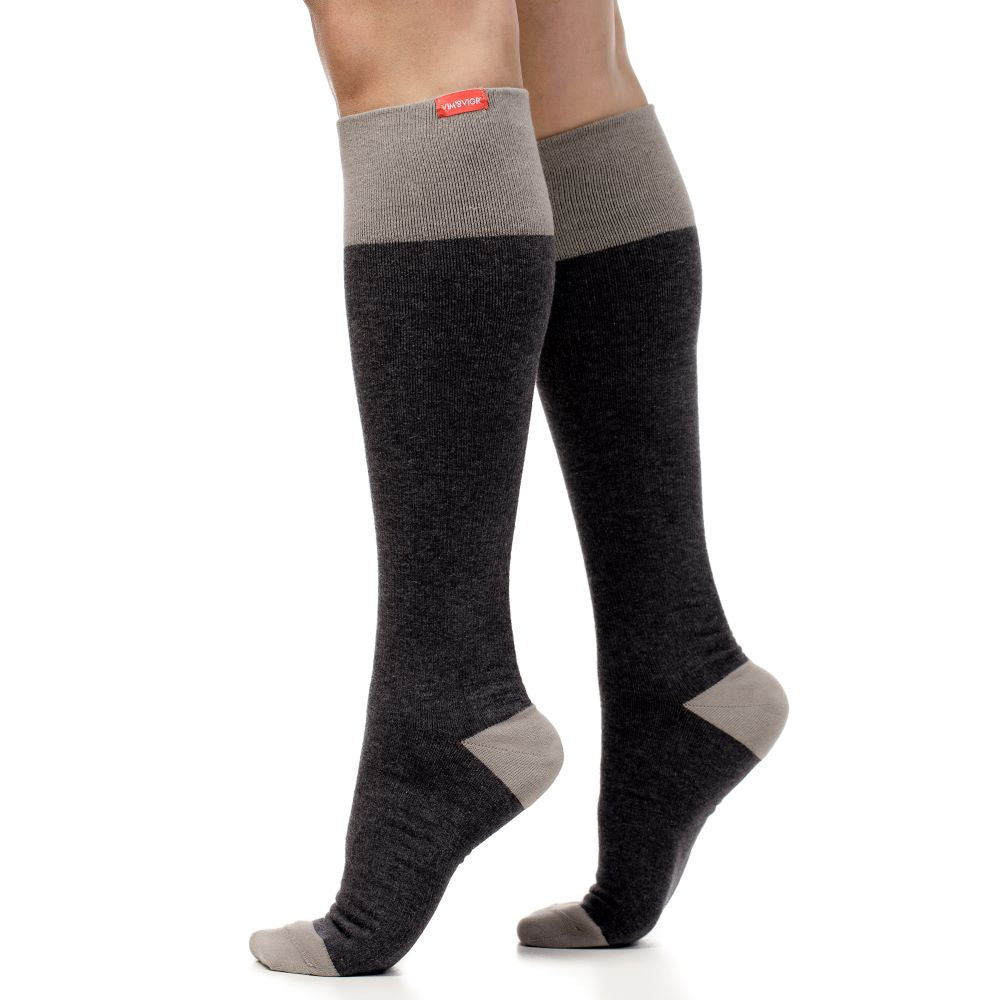
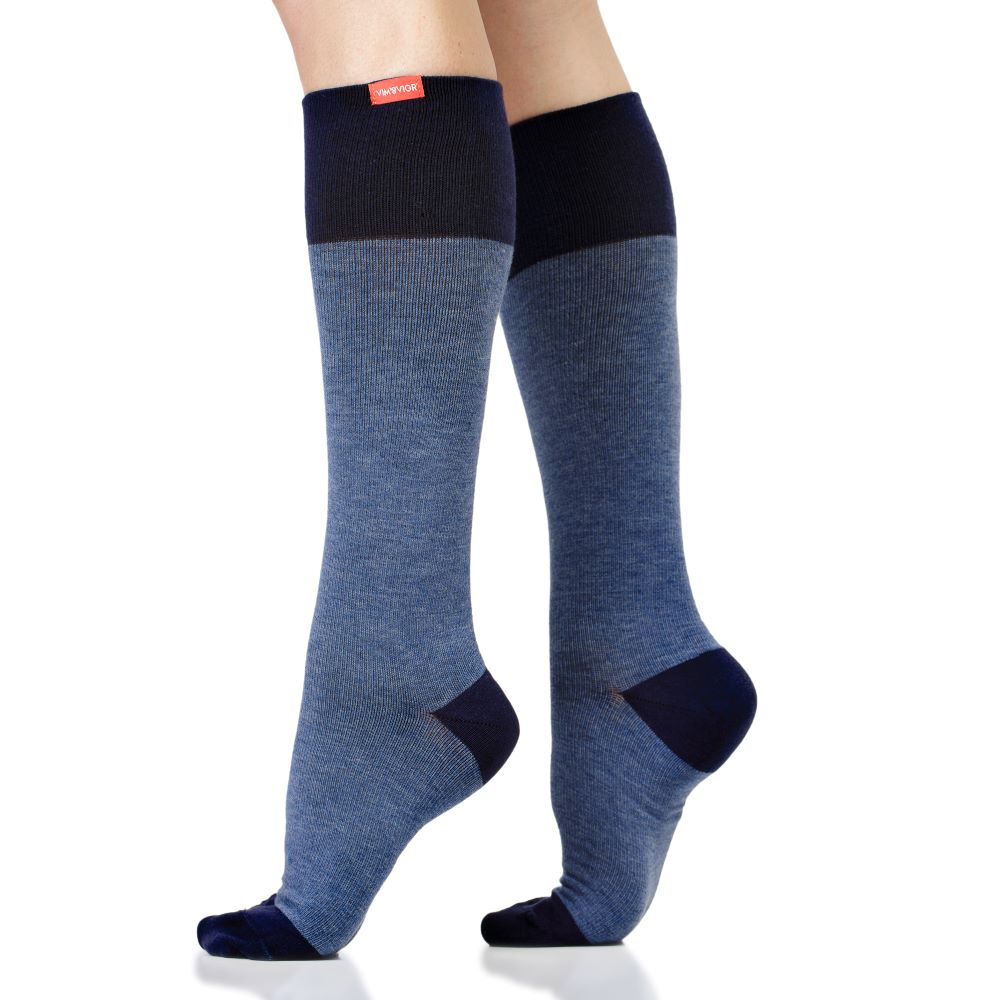
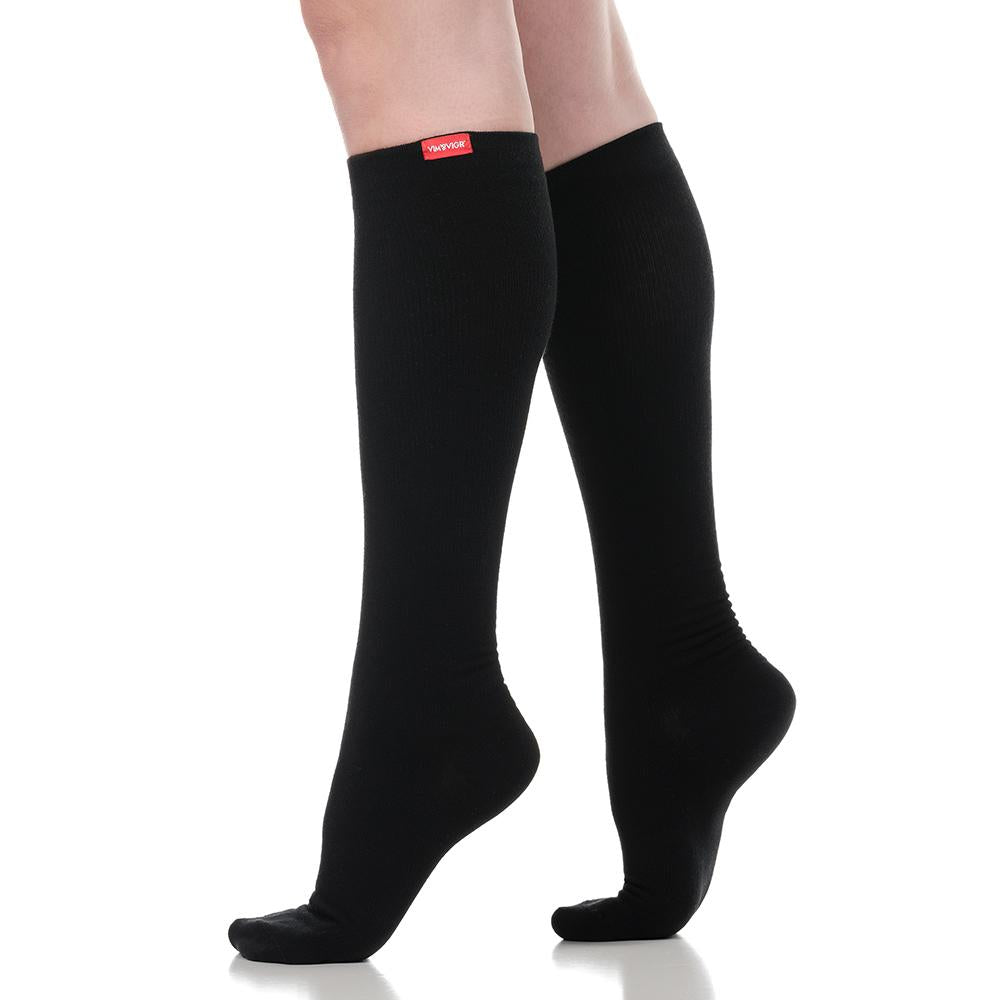
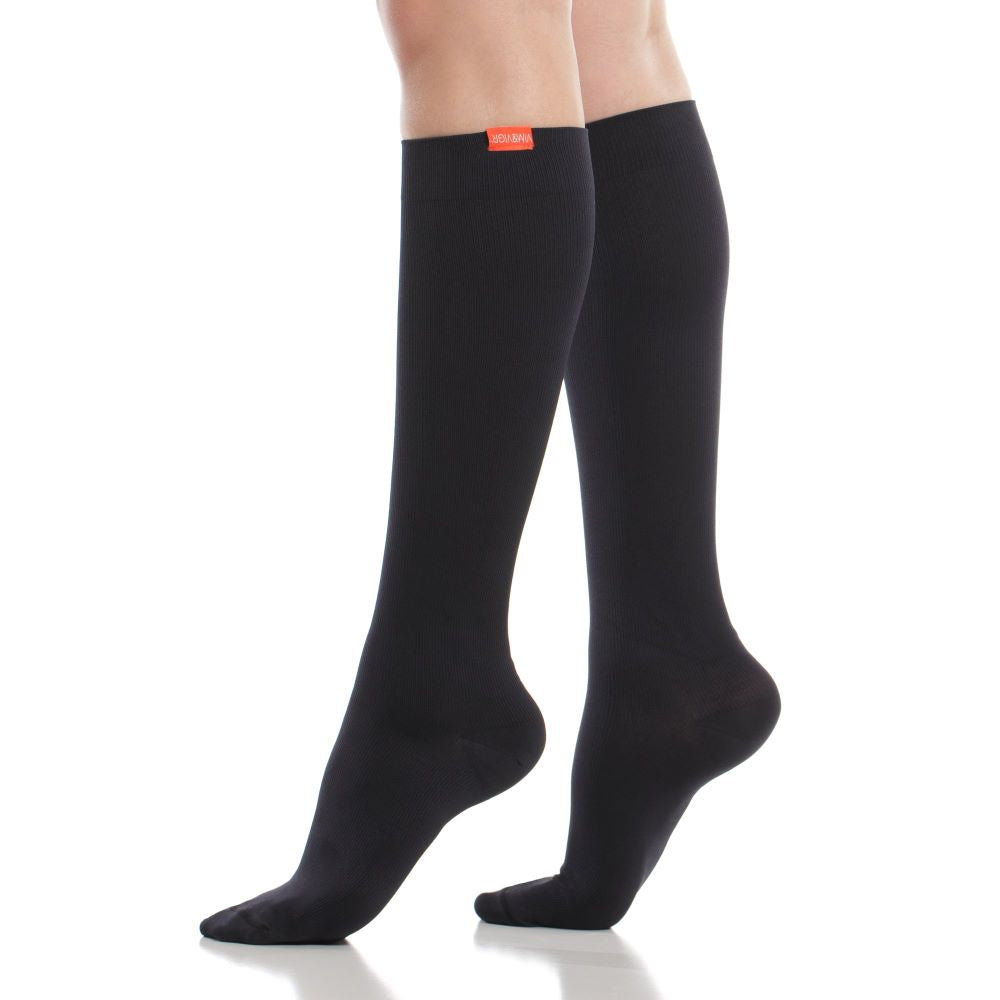
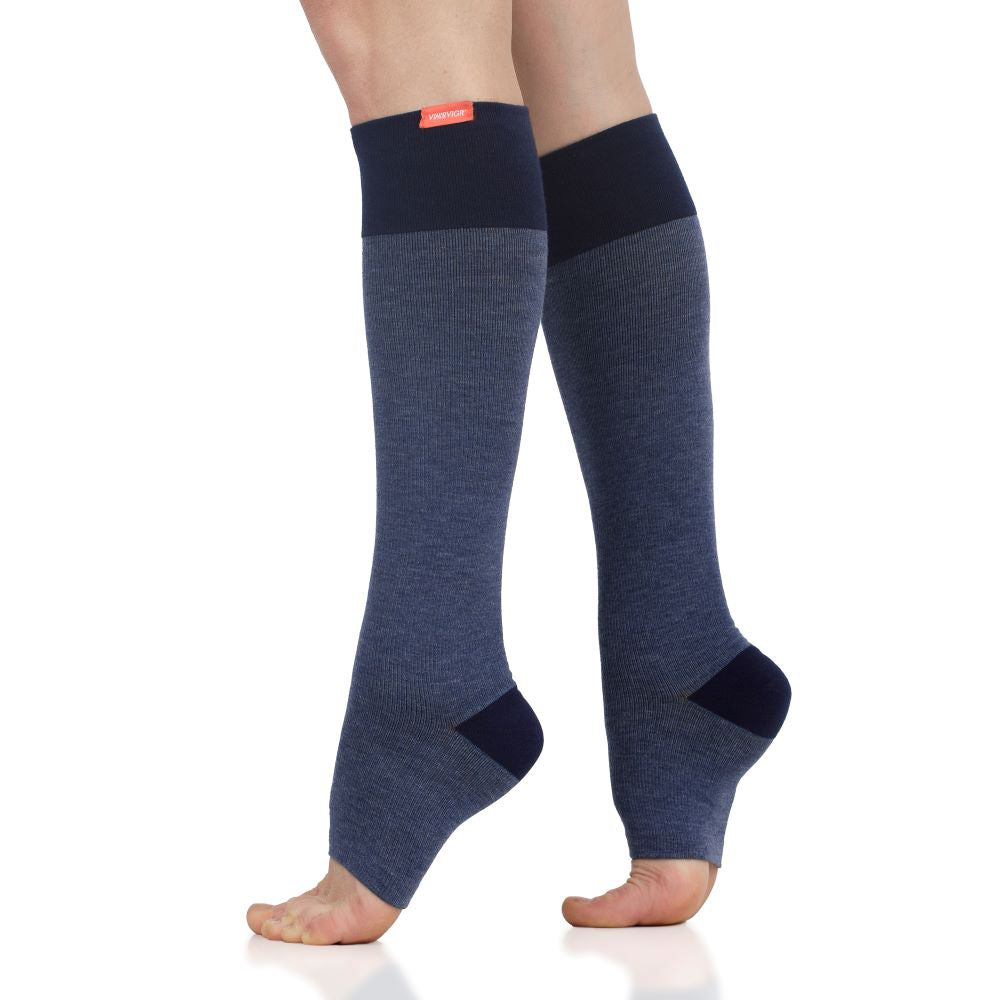
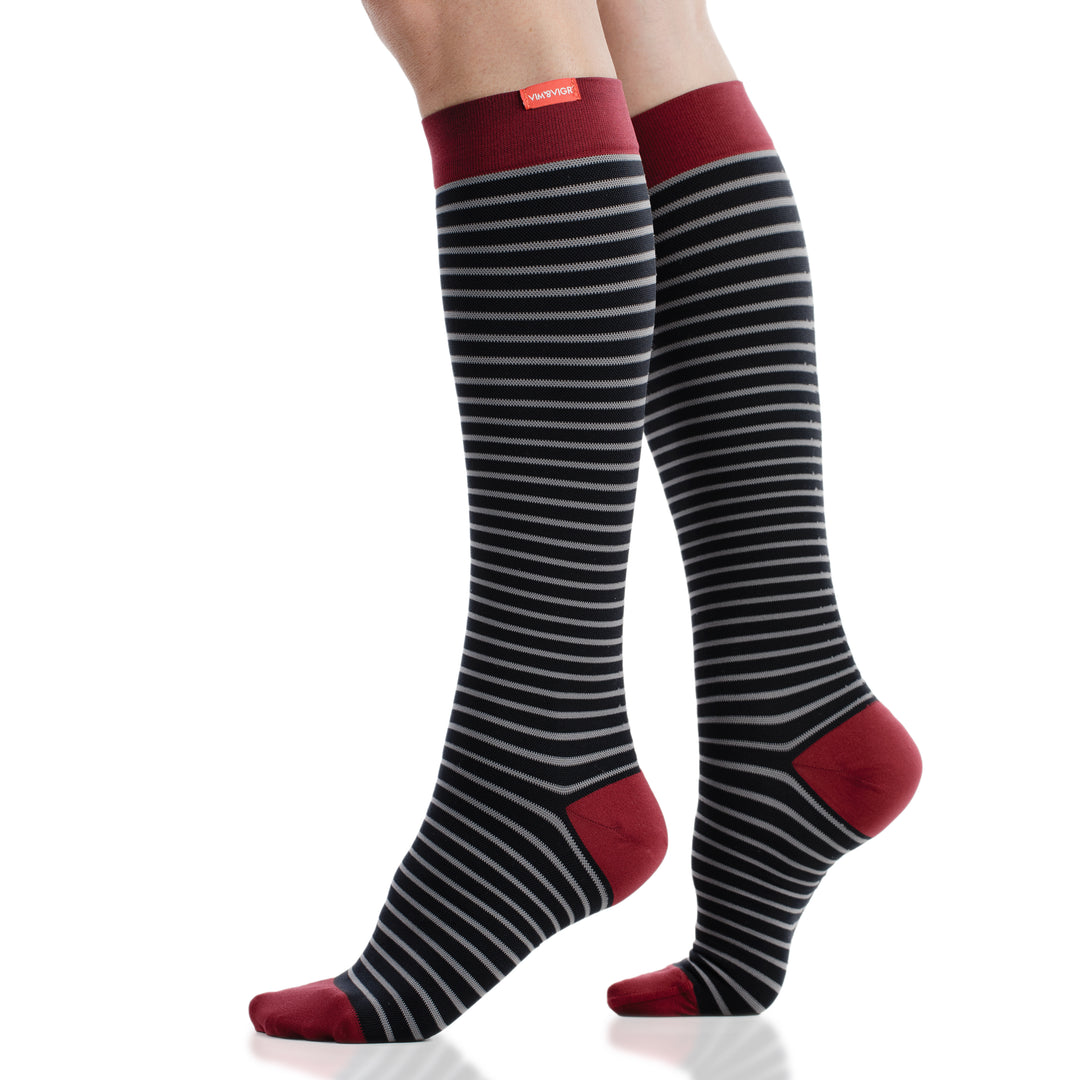
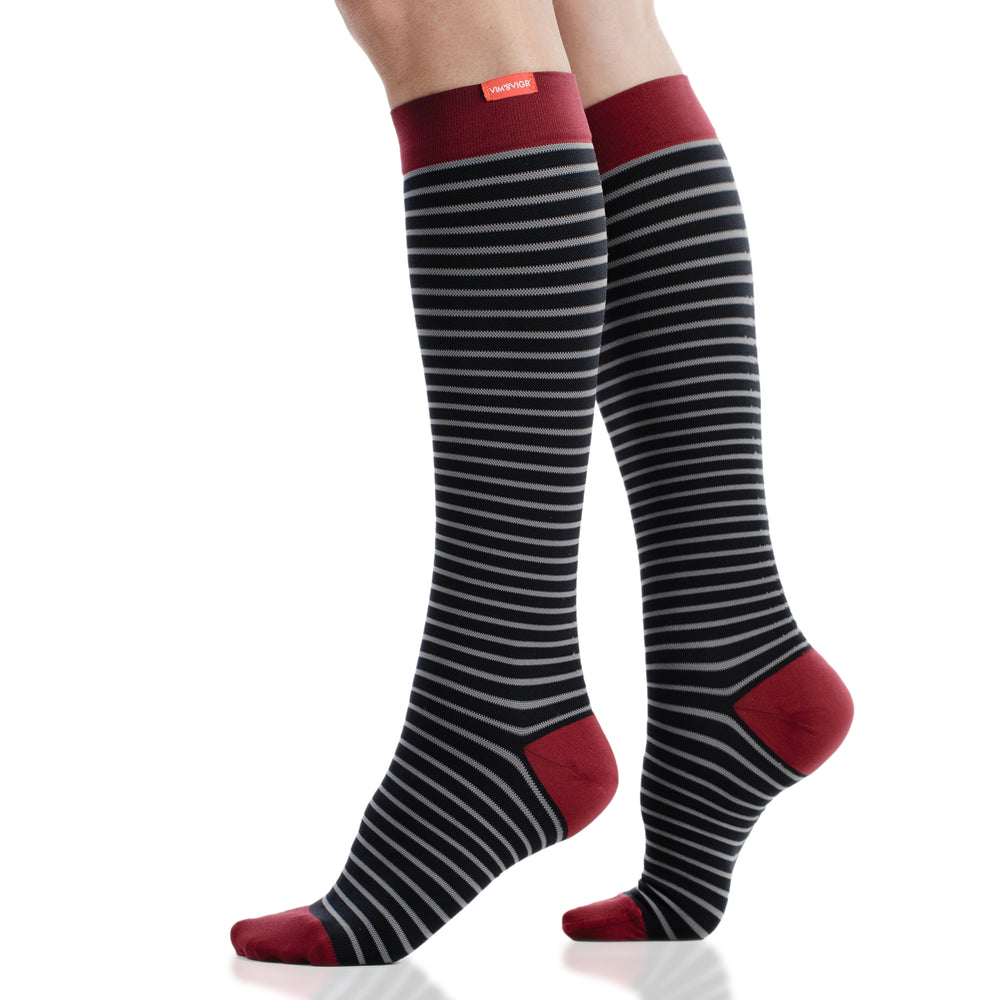
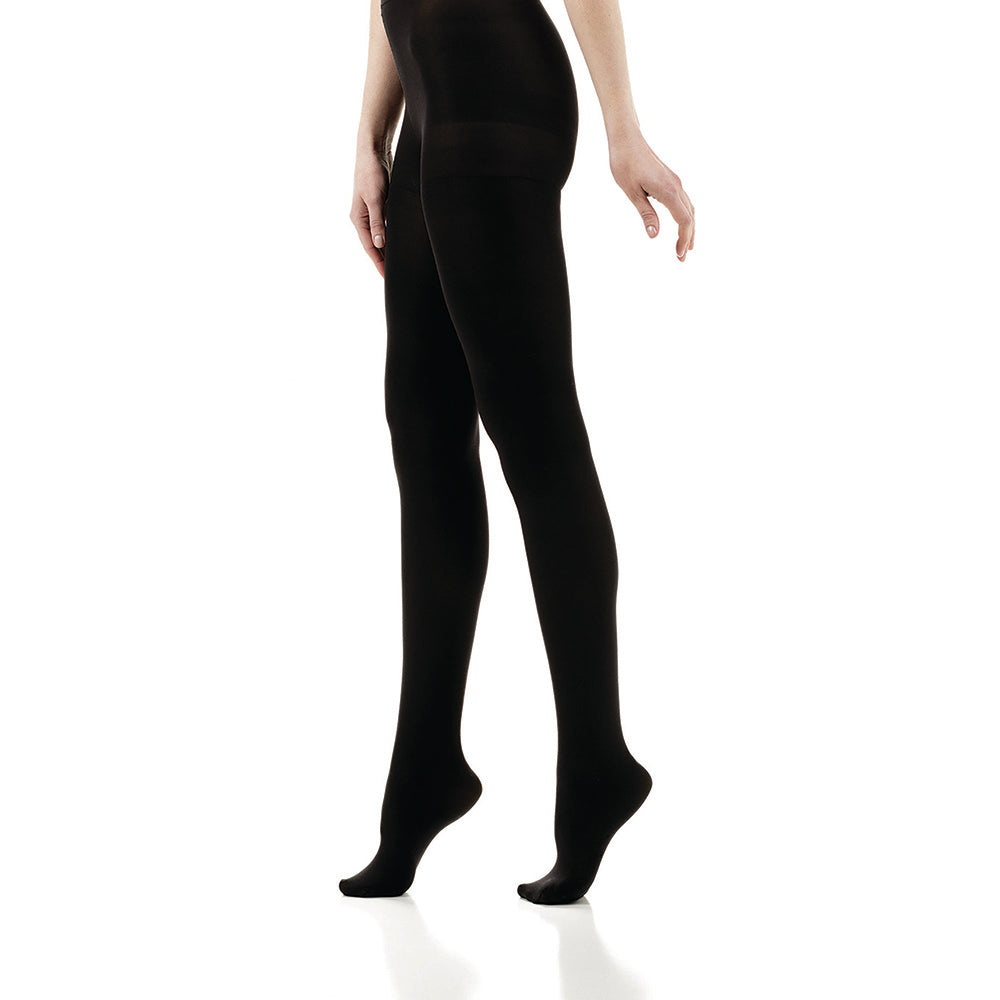
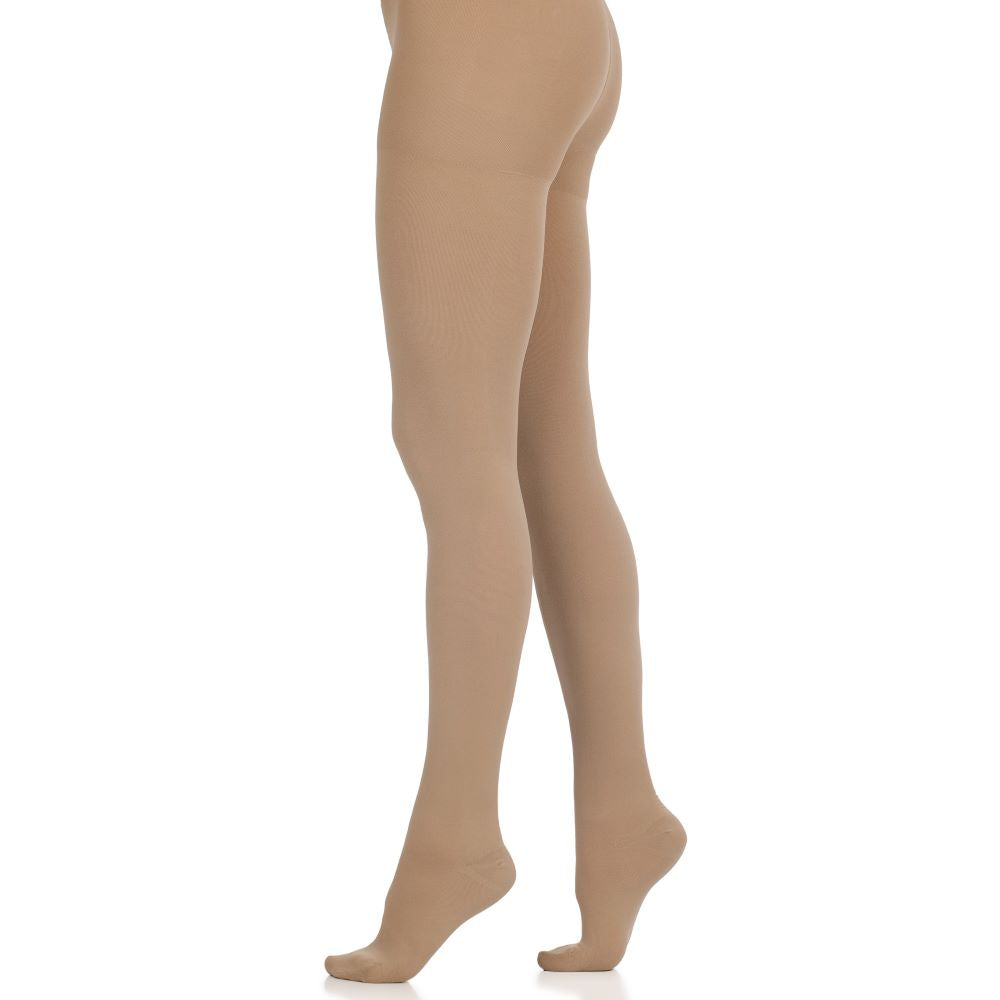
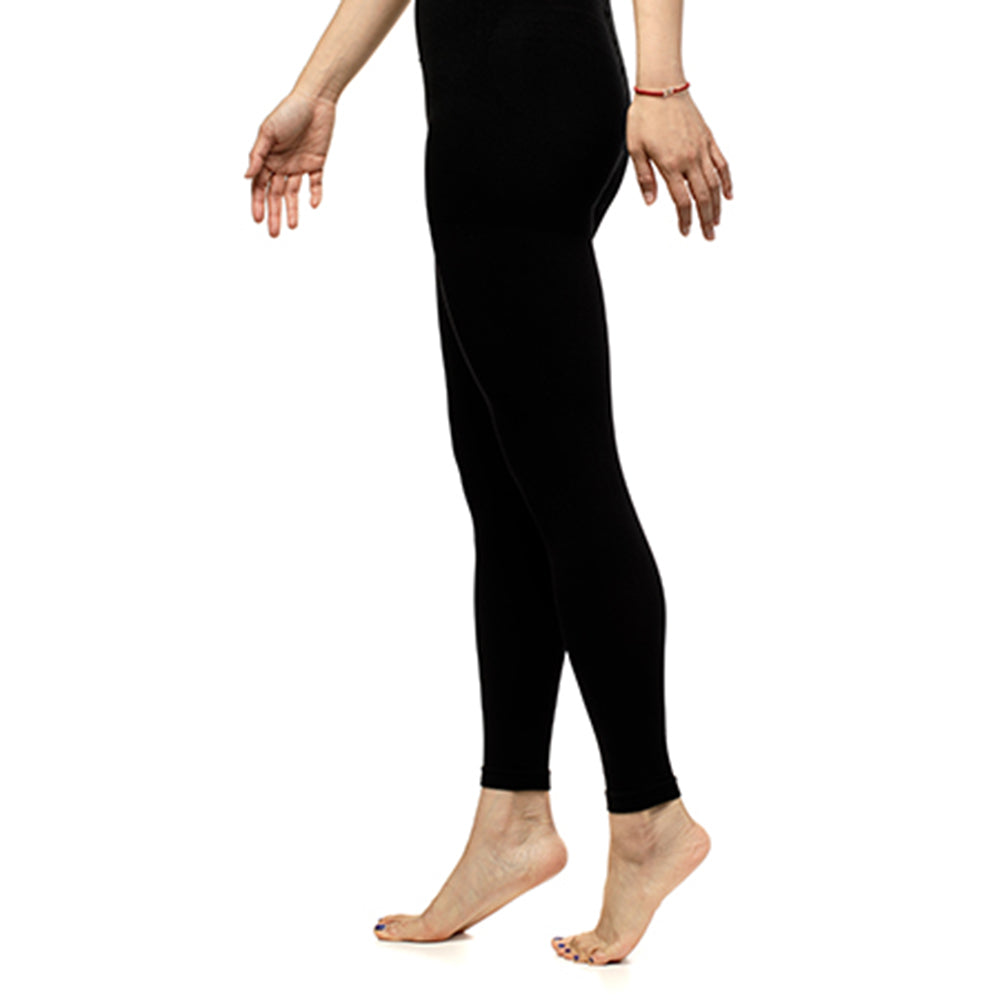


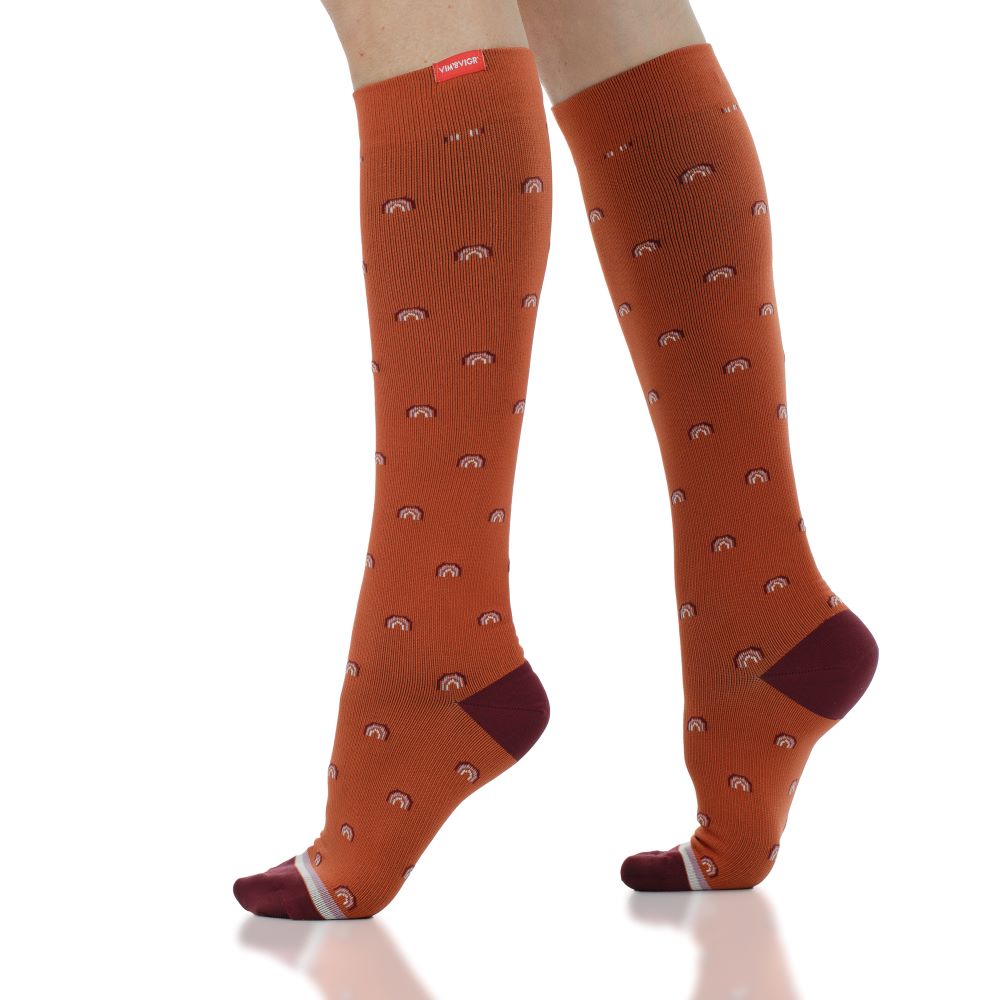
Compression Socks for Diabetics
Some people living with diabetes can also suffer from swelling and discomfort in the lower legs, making everyday activities unpleasant. Heavy legs, shoes that don’t fit at the end of the day, or simply a lack of comfort add up and can become overwhelming when you’re also dealing with a chronic health condition. Moreover, caring for your lower limbs becomes so much more important when you’re managing your diabetes: swelling, reduced sensation, or changes in blood flow can all affect how you’re feeling from day to day and your overall health and wellbeing.
Our Vim & Vigr diabetic compression socks combine graduated compression with comfortable and stylish designs you’ll actually want to wear and which simply fit in your everyday life. The result: circulation support based on a concept developed in partnership with vascular surgeons and vein clinics.
Our collection includes women’s and men’s knee-high compression socks in three levels of therapeutic pressure:
-
15-20 mmHg for everyday, casual wear and newcomers to compression
-
20-30 mmHg for firmer support
-
30-40 mmHg available on prescription only, to support you when your doctor suggests it
The moisture-wicking fabrics, such as merino wool and nylon, will be a great pick for changing temperatures; while the more familiar cotton socks can be your diabetic support in everyday situations.
Good to know: Our socks come in wide-calf sizing to give you more flexibility when finding the right fit. You can also filter by “Choice Nylon” to narrow down to only those socks that provide a seamless toe finish - ideal for avoiding blisters and rubbing.
Our Vim & Vigr compression socks are also HSA/FSA eligible.
Whether you’re managing tired, swollen feet or looking for extra joint and muscle support during long days on your feet, explore our collection of stylish compression that combines circulation, comfort, and good looks all together.
Are compression socks good for diabetes?
For some people with diabetes, compression socks offer a safe, useful, and simple way to support circulation and manage swelling in the lower legs. Graduated compression socks apply the most pressure around the ankle, gradually releasing upwards, which helps encourage blood to travel back up towards the heart and prevents swelling around the ankles.
Research such as a 2017 randomized controlled trial found that mild compression diabetic socks reduced ankle and calf swelling without affecting measured arterial circulation. However, it’s important to know that diabetes can affect both the nerves and the arteries supplying the feet, which means that compression isn’t automatically a good option for everyone.
If you have significant numbness, known problems with circulation, existing ulcers, or foot complications resulting from diabetes, consult with your doctor before choosing a compression level.
Diabetic socks vs diabetic compression socks: is there a difference?
You may have heard both terms, and it’s worth making a distinction. Traditional “diabetic socks” are specifically made to protect the feet. They emphasize a comfortable fit, minimal seams, and moisture control. They are not meant to apply pressure. Diabetic compression socks are specifically targeting circulation improvements by applying therapeutic pressure.
Bring those two aspects together and you get diabetic compression socks: garments that provide graduated compression to support circulation and lower leg muscles and joints, while also reducing excess moisture and friction. The American Diabetes Association recommends well-fitting socks that aren’t too tight, moisture-wicking fabrics, minimal or no seams, and appropriate cushioning for those who need extra foot protection.
Learn more about these distinctions in our article about diabetic socks vs compression socks.
What should you look for in compression socks for diabetic feet?
The best diabetic compression socks combine support with comfort, adding style that fits into your everyday routine.
A comfortable toe area
This is important for sensitive feet, which can suffer from small pressure points or rubbing material. Our seamless toe design, Choice Nylon, is especially created to minimize risks of friction or blisters.
Important tip: Check your feet regularly if you are prone to blisters or irritation, or have sensitive skin. Compression socks do not treat diabetic ulcers or any sores or wounds, and should never be worn over them. You should speak to a medical professional if you notice any such problems.
Moisture-wicking, breathable fabrics
By keeping your feet dry, you reduce the risk of skin breakdown or of bacterial infection. When it’s warm outside, moisture-wicking fabrics become essential for transporting sweat away from the skin and letting air travel between sock and skin to keep you comfortable.
Within the Vim & Vigr diabetic compression socks collection, you can choose comfortable cotton for everyday wear, but be aware that it is not great at wicking away moisture on hot or humid days. When the temperature rises, reach for moisture-wicking nylon or merino wool instead.
The right fit
A good fit is essential to get the benefits of compression socks and to avoid discomfort, pain, or numbness. Compression needs to feel firm and supportive: if you experience pain, you should immediately remove your socks and consult a doctor.
To get the right fit, we always recommend starting with your calf circumference (all our socks are at least knee-high). You can then map that against the sizing chart on each product page. There are also special wide-calf options to accommodate more sizes.
What compression level should a diabetes patient wear?
The strength of compression, measured in mmHg, is another key element of comfort and effectiveness. The higher the mmHg number, the tighter the socks will feel - so start low, especially if it’s your first time wearing compression garments.
You may see 8-15 mmHg described elsewhere under the “mild” category. Some diabetic socks appear in this range for everyday support, but the Vim & Vigr collection begins at 15-20 mmHg, which we believe is comfortable and effective without being overly firm. If your healthcare provider has specifically recommended 8-15 mmHg, check that with them before choosing a stronger level.
-
15-20 mmHg: everyday compression - this level can provide support for tired legs, everyday circulation, and mild-to-moderate swelling or edema; it’s a good starting point for beginners
-
20-30 mmHg: firmer medical-grade support - noticeably firmer compression, which we recommend choosing after consulting with a healthcare professional; commonly used for conditions like lymphedema or deep vein thrombosis (DVT)
-
30-40 mmHg: strong medical compression - intended for more significant medical needs and available on prescription only
When should diabetics be cautious with compression socks?
When you have diabetes, understanding your circulation is extremely important. Compression socks don’t automatically suit everyone and you should consult with your doctor before choosing to wear them.
If you have severe peripheral arterial disease, very low blood flow into the feet, or advanced peripheral neuropathy, compression socks are not recommended. Severe sensory challenges are also a contraindication.
Talk with your doctor if you want to wear diabetic compression socks, especially at 20-30 mmHg level and up, in the following cases:
-
You have been diagnosed with peripheral arterial disease or arterial insufficiency
-
You have advanced neuropathy or considerable numbness in your feet
-
You experience ulcers, wounds, or unexpected skin changes on your feet
-
You develop pain, discoloration, numbness, or cold feet
-
You have used compression for lymphedema, previous blood clots, or deep vein thrombosis
If a knee-high compression sock causes pain, numbness, irritation, or changes in the color or temperature of your feet, remove it and seek medical advice.
Comfortable and stylish men’s and women’s compression socks
Managing your circulation during diabetes doesn’t have to be painful, uncomfortable, or sacrificing your personal style. Vim & Vigr knee-high compression socks offer a wide range of styles, designs, and vibrant coloring, all while giving you a choice of fabrics and compression levels that fit your needs.
Get specialist lower leg support that you’ll want to wear day after day, from our diabetic socks collection.
Frequently asked questions about diabetic socks
Are compression socks good for diabetics?
Although compression socks support lower leg circulation and help reduce swelling, they are not recommended for all cases of diabetes. Studies found that diabetics have reduced their ankle and calf swelling by wearing them. But, because diabetes can also affect the arteries and nerves, you should always check with a doctor before wearing compression garments.
What are the best compression socks for diabetics?
The best diabetic compression socks combine comfort, effective circulation support, moisture-wicking properties, and style. A 2026 systematic review of diabetic socks identified these as useful design features, but more research is needed to narrow down the aspects that can help diabetics.
How do compression socks work for diabetics?
Graduated compression socks by Vim & Vigr apply the most pressure at the ankles, then slowly release pressure as they climb. This design supports upwards blood flow and reduces the risk of blood and liquid pooling at the extremities. Additionally, compression socks support the muscles and joints, providing more stability and improved proprioception.
Is 8-15 mmHg compression good for diabetics?
The 8-15 mmHg compression level is very mild, providing gentle support for everyday wear. Clinical research supports the use of mild compression in selected people with diabetes, but most levels start at 15 mmHg.
Vim & Vigr’s 15-20 mmHg socks are our entry point. Consult with your medical provider to see what’s best for your case.
Can diabetics wear 20-30 mmHg compression socks?
Yes, some people with diabetes can wear 20-30 mmHg compression socks, as long as their circulation and level of foot sensations are suitable. A 2020 study found no relevant impairment of skin microcirculation in selected patients wearing medical compression stockings, including those wearing 23-32 mmHg. But these findings don’t automatically apply to anyone - consult with your doctor about your particular case.
Can compression socks prevent diabetic foot ulcers?
No, they have not been proven to do so. Compression socks can improve circulation and manage swelling. Additional features like a seamless toe reduce the risk of friction and irritation, while breathable fabrics like merino wool ensure the feet stay dry. However, diabetes patients should check their feet daily, apply appropriate care, and check with their doctors before wearing compression socks. Finally, compression socks should never be worn over irritated or wounded skin.
How can people with diabetes improve blood flow to their feet?
Regular movement, such as walking, exercise, or ankle rotations while sitting, can all help improve blood flow and stimulate circulation. Avoid sitting still or standing for extended periods of time without breaks. Try to wear comfortable shoes and avoid, as much as possible, spikes to your blood sugar levels.
People with diabetes who experience swelling or edema can wear compression socks that also support circulation. However, because diabetes can affect both blood vessels and nerves, consult with a healthcare provider before wearing compression garments, especially if you have peripheral arterial disease, neuropathy, or reduced sensation in your feet.
References
Crowe, A. (n.d.). 8 tips to protect your feet with diabetes. American Diabetes Association. Read it here.
Rother, U., Grussler, A., Griesbach, C., Almasi-Sperling, V., Lang, W., & Meyer, A. (2020). Safety of medical compression stockings in patients with diabetes mellitus or peripheral arterial disease. BMJ Open Diabetes Research & Care, 8(1), e001316. Read it here.
Venkatraman, P. D., Orlando, G., Culmer, P. R., Turnbull, R. P., Bradbury, K., Yoldi, I., Corser, J., Russell, D. A., Boulton, A. J. M., & Reeves, N. D. (2026). Diabetic Socks: A Systematic Review of the Literature and Commercially Available Products. Diabetes/Metabolism Research and Reviews, 42(2), e70138. Read it here.
Wu, S. C., Crews, R. T., Skratsky, M., Overstreet, J., Yalla, S. V., Winder, M., Ortiz, J., & Andersen, C. A. (2017). Control of lower extremity edema in patients with diabetes: Double blind randomized controlled trial assessing the efficacy of mild compression diabetic socks. Diabetes Research and Clinical Practice, 127, 35–43. Read it here.


