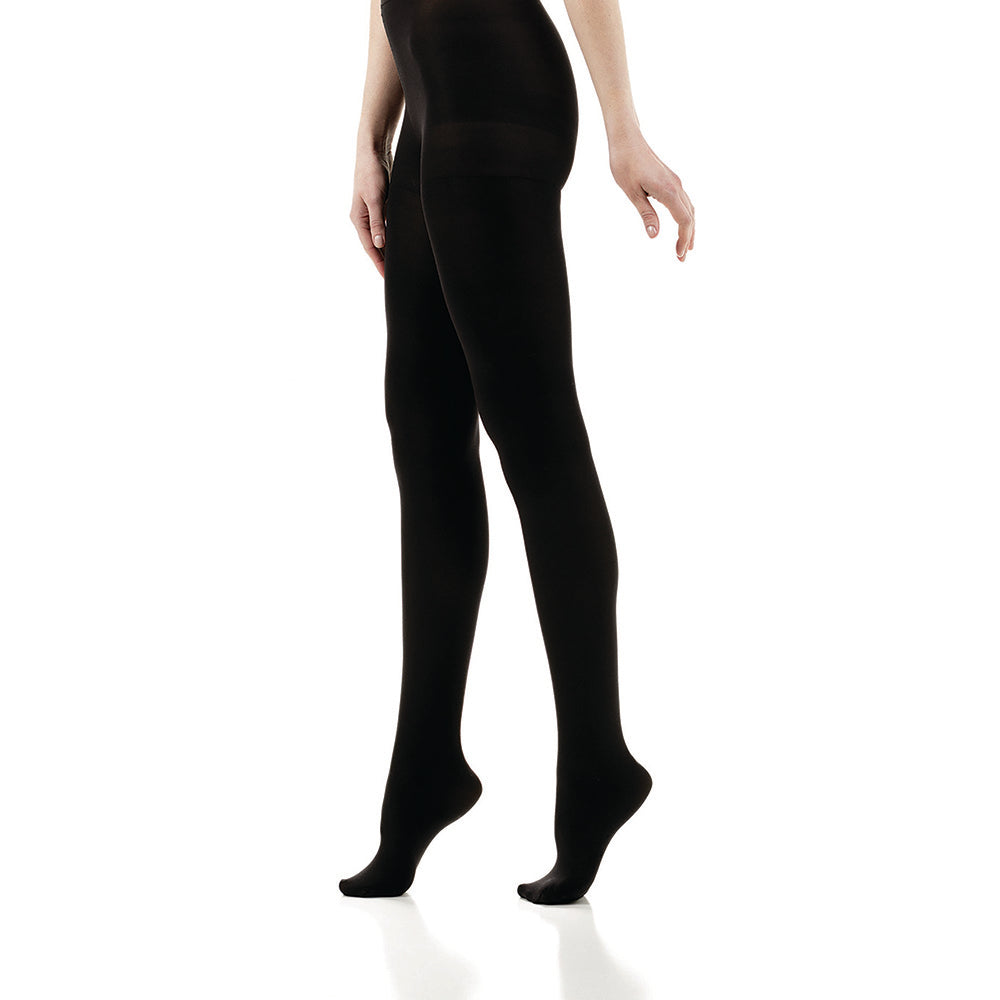


Compression Socks for Pregnancy & Maternity
Pregnancy raises blood volume and relaxes vein walls, leading to swelling and tired legs. VIM & VIGR's graduated 15–20 mmHg and 20–30 mmHg compression socks ease that swelling and support healthy circulation all day.


Finding the right compression socks for pregnancy can make all the difference in how you feel – from your first trimester through postpartum recovery. At VIM & VIGR, our maternity compression socks are designed to reduce swelling, relieve tired legs, and support healthy circulation as your body changes throughout pregnancy.
During pregnancy, increased blood volume and the growing weight of your baby puts extra pressure on the veins in your legs, making compression socks maternity wear an essential part of your daily routine. Whether you're dealing with swollen ankles, varicose veins, leg cramps, or just general fatigue, our pregnancy compression socks offer the gentle, graduated support your body needs.
Why choose VIM & VIGR compression socks for pregnancy? Because we believe that maternity fashion shouldn't mean sacrificing style. Our compression socks pregnancy collection features fun prints, bold patterns, and elevated solids – so you can look as great as you feel. Each pair delivers clinically proven, 15-20 mmHg graduated compression that is firmest at the ankle and gradually decreases up the leg, improving circulation and reducing edema.
Backed by the science of compression therapy, VIM & VIGR compression socks pregnancy styles are crafted from premium, breathable fabrics including nylon, merino wool, cotton, and moisture-wick materials – designed to keep you comfortable all day long. Our socks are available in multiple sizes for the perfect fit before, during, and after pregnancy.
Frequently Asked Questions
Many pregnant women find that compression socks help reduce leg cramps, which are a common complaint during pregnancy — especially during the second and third trimesters. Leg cramps during pregnancy are often linked to poor circulation, fluid retention, and mineral imbalances. Compression socks improve blood flow in the legs, which can reduce the buildup of lactic acid and improve oxygen delivery to the muscles — both of which may help prevent cramping. While compression socks are not a guaranteed cure for leg cramps, many women report significant improvement when wearing them regularly. Staying hydrated, stretching regularly, and discussing any persistent cramping with your healthcare provider is also recommended.
Yes, compression socks are one of the most effective ways to manage pregnancy-related swelling (edema). Pregnancy swelling occurs because your body retains more fluid than usual, and the increased pressure from your growing uterus makes it harder for blood to flow back from your legs to your heart. Compression socks work by applying gentle, graduated pressure that helps move fluid out of the legs and back into circulation. This reduces swelling in the ankles, feet, and calves. For best results, put on compression socks in the morning before you stand up, as this helps prevent fluid from pooling in the lower extremities throughout the day.
For most pregnant women, 15-20 mmHg compression socks are the recommended starting point. This level of light to moderate compression is effective for reducing everyday swelling, relieving tired legs, and preventing varicose veins without being overly tight or requiring a doctor's prescription. VIM & VIGR's 15-20 mmHg compression socks are a popular choice for pregnancy. If you have more serious circulatory concerns, varicose veins, or a history of blood clots, your doctor may recommend 20-30 mmHg (moderate compression). Always consult your healthcare provider before starting compression therapy during pregnancy to ensure you select the right compression level for your specific needs.
Most healthcare providers recommend wearing compression socks for at least the first 2-6 weeks postpartum, though some women may benefit from wearing them for longer. In the first 24-48 hours after giving birth, compression is particularly important for preventing blood clots (DVT), which are a significant risk in the postpartum period. After a vaginal birth, many women continue wearing compression socks until postpartum swelling fully subsides, usually within 2-4 weeks. After a C-section, compression may be recommended for up to 6 weeks to help with recovery and reduce blood clot risk. Always follow your healthcare provider's specific recommendations for your situation.
Healthcare providers generally recommend a compression level of 15-20 mmHg for most pregnant women — this is considered a light to moderate compression that is effective for everyday use without requiring a prescription. For women with more pronounced varicose veins or a history of blood clots, doctors may recommend 20-30 mmHg (moderate compression). Key recommendations include: put on compression socks first thing in the morning before swelling starts, wear them throughout the day especially when standing or sitting for long periods, remove them before bed, choose graduated compression socks that are tightest at the ankle, and ensure proper fit to avoid cutting off circulation. Always consult your doctor or midwife for personalized advice.
Maternity compression refers to specially designed compression garments — including socks, stockings, sleeves, and leggings — made to support pregnant women's unique circulatory needs. During pregnancy, increased blood volume and pressure from the growing uterus on the pelvic veins can lead to swelling, varicose veins, and discomfort in the legs. Maternity compression garments apply gentle, graduated pressure that is firmest at the ankle and decreases up the leg, helping to push blood back up toward the heart, reduce swelling, relieve tired and achy legs, and prevent blood pooling. VIM & VIGR offers stylish maternity compression socks and stockings that combine therapeutic support with fashionable designs.
Generally, it is not recommended to sleep in compression socks during pregnancy unless specifically advised by your doctor. While compression socks are excellent during waking hours when you're standing or sitting, sleeping in them is usually unnecessary. When you lie down, gravity is no longer pulling blood toward your feet, so the circulation benefits are less relevant. Additionally, wearing compression socks while sleeping could restrict blood flow. Unless your healthcare provider has specifically recommended wearing compression socks at night, it's best to remove them before bed. Always follow the guidance of your medical team for your specific situation.
Many doctors recommend starting to wear compression socks as early as the first trimester, especially if you're on your feet a lot or have a history of varicose veins, swelling, or circulatory issues. For most pregnant women, swelling and circulation issues become more noticeable in the second trimester and increase throughout the third trimester. Starting early can help prevent these issues from developing or worsening. However, every pregnancy is different, so it's best to discuss the right timing with your healthcare provider based on your individual health history and needs.
Compression pants designed specifically for pregnancy can be safe and comfortable when worn correctly. Maternity compression pants are designed with extra room in the abdominal area to avoid putting pressure on the belly and the baby. They can help with lower back pain, reduce leg swelling, and support the growing uterus. However, it's important to choose maternity-specific compression garments rather than standard compression pants, which may be too tight around the abdomen. Always consult your healthcare provider before wearing any compression garment during pregnancy to ensure it's appropriate for your specific situation.
Yes, compression therapy is generally considered beneficial and safe during pregnancy when used appropriately. During pregnancy, blood volume increases significantly and the growing uterus puts pressure on the veins in the pelvis, making it harder for blood to return from the legs to the heart. Compression therapy — through socks, stockings, or sleeves — helps counteract this by applying gentle external pressure to encourage better circulation. Benefits include reduced leg swelling, relief from varicose veins, decreased risk of DVT (deep vein thrombosis), and greater comfort throughout the day. Always consult your healthcare provider before starting compression therapy during pregnancy.
Compression socks are highly recommended after pregnancy, especially in the first few weeks postpartum. After giving birth, your body is working hard to shed excess fluid, and your circulatory system is readjusting. Wearing compression socks postpartum can help reduce swelling, prevent blood clots (deep vein thrombosis), and support healthy circulation as your body recovers. This is particularly important for women who had a C-section or who spend significant time on their feet. *Always consult with your doctor before using compression therapy postpartum.
Yes, compression socks can be very effective at reducing postpartum swelling. After giving birth, many women experience swelling (edema) in the legs, ankles, and feet as the body works to eliminate excess fluid retained during pregnancy. Wearing compression socks postpartum helps stimulate blood circulation and lymphatic drainage, which accelerates the body's natural process of reducing swelling. VIM & VIGR's maternity compression socks provide gentle, graduated compression to comfortably support recovery after pregnancy.
While compression socks are primarily designed to improve circulation and reduce swelling in the legs, some pregnant women report that improved circulation can help alleviate nausea. Compression socks help boost blood flow throughout the body, which may indirectly ease pregnancy-related nausea. However, nausea during pregnancy is typically caused by hormonal changes, so consult your doctor for targeted advice. Always consult with your healthcare provider before using compression therapy during pregnancy.
In short, yes! When you wear compression garments, the gentle squeeze they apply to a part of your body stimulates blood flow and supports the muscles and joints in that area. Compression socks and stockings help reduce swelling, while boosting circulation from the lower legs back up to the heart. This reduces the risk of developing medical conditions like varicose veins and blood clots, which often effect pregnant women.
*Always consult with your doctor, this is not medical advice.
15-20 mmHg socks will help boost your blood circulation and prevent undesirable side effects like swollen ankles, varicose veins, deep vein thrombosis and overall leg fatigue. If you need more support, 20-30 mmHg compression socks are equally comfortable and cute, and provide a bit more graduated compression. Consult with a healthcare provider for your specific case.
Compression socks are very safe to wear for extended periods of time. Moderate compression levels (15-20 mmHg) can be worn all day long, during long flights, when spending a long time without moving (such as being bed-ridden) or when you're on your feet all day. Always consult with a healthcare professional for your specific case.
Compression socks are a safe and effective way to reduce swelling in your legs, improve circulation and lower your risk of getting blood clots. Our legwear helps energize your legs, reduce swelling, and improve circulation.
We have a 100% satisfaction guarantee, try our compression socks for yourself today!