





Compression Socks on Sale
Up to 30% off compression socks in cotton, nylon, and merino wool — no code required. All sale styles are final sale; confirm your size before ordering.
*All Clearance Sale Compression Socks are Final Sale


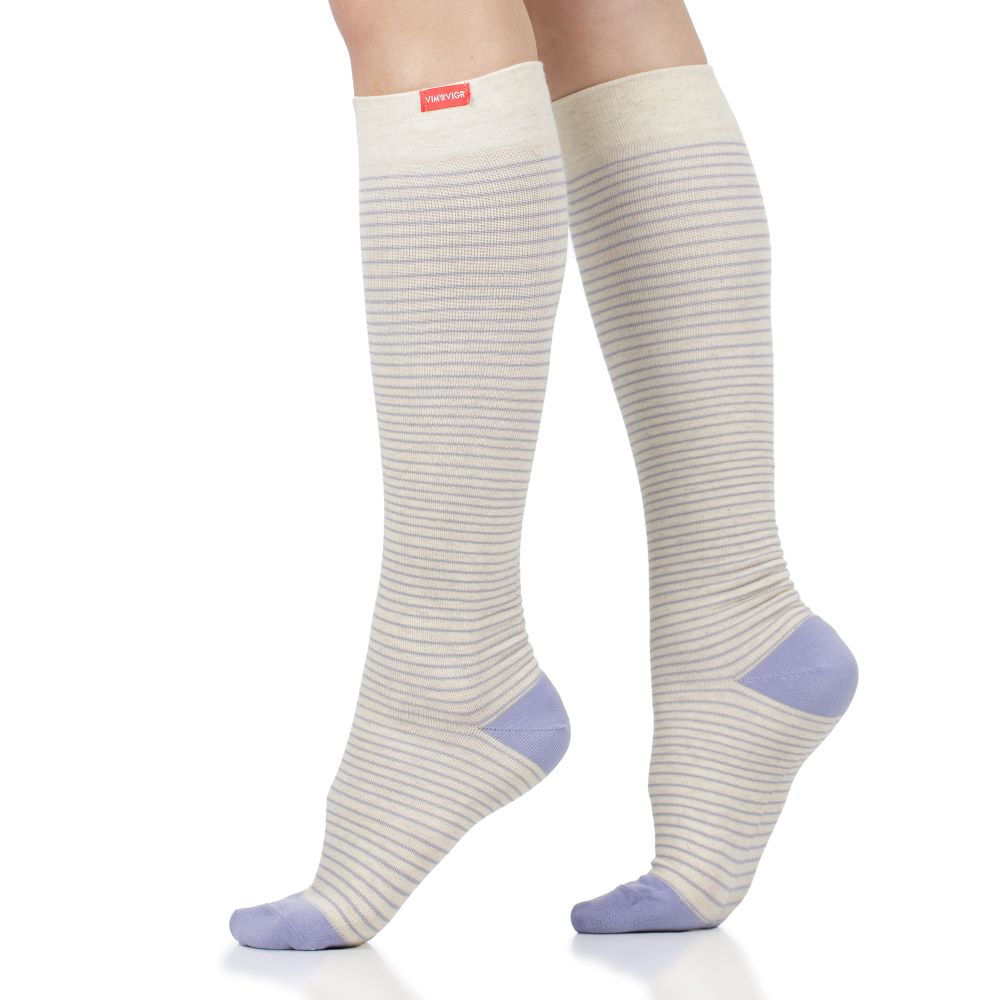
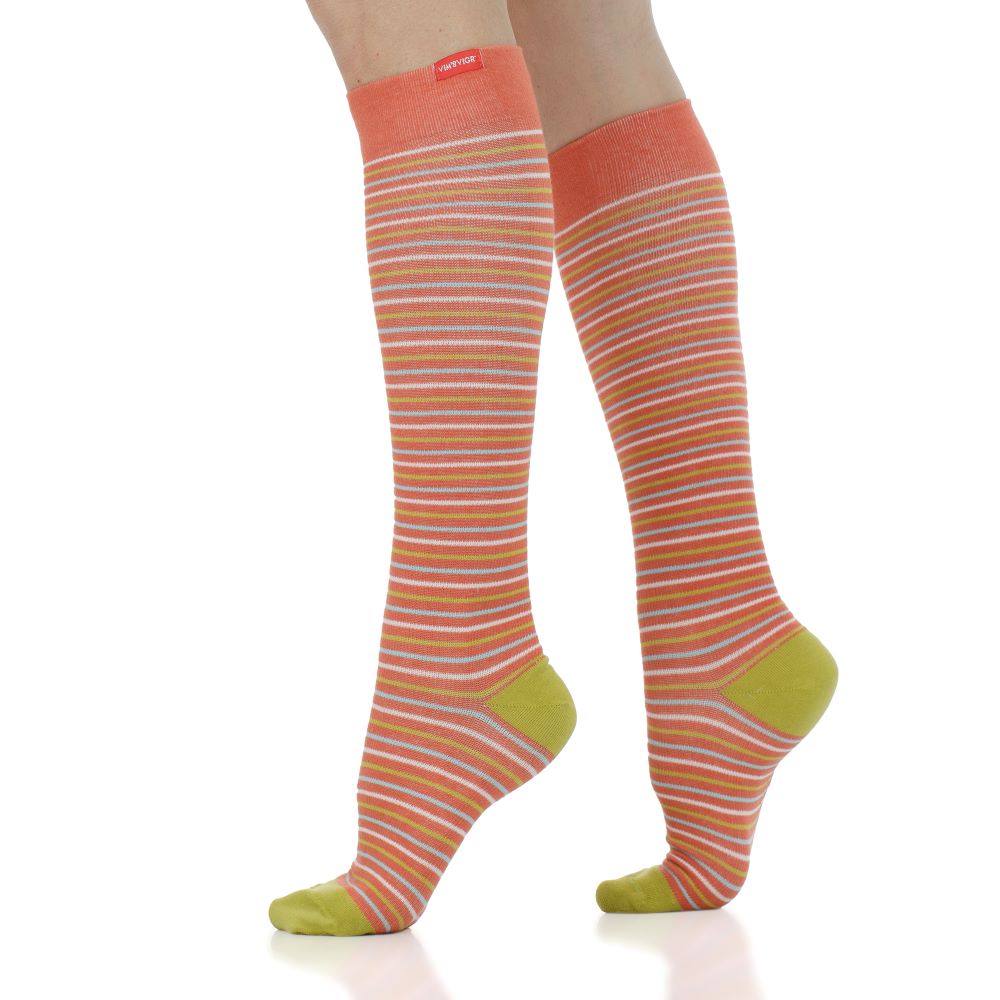
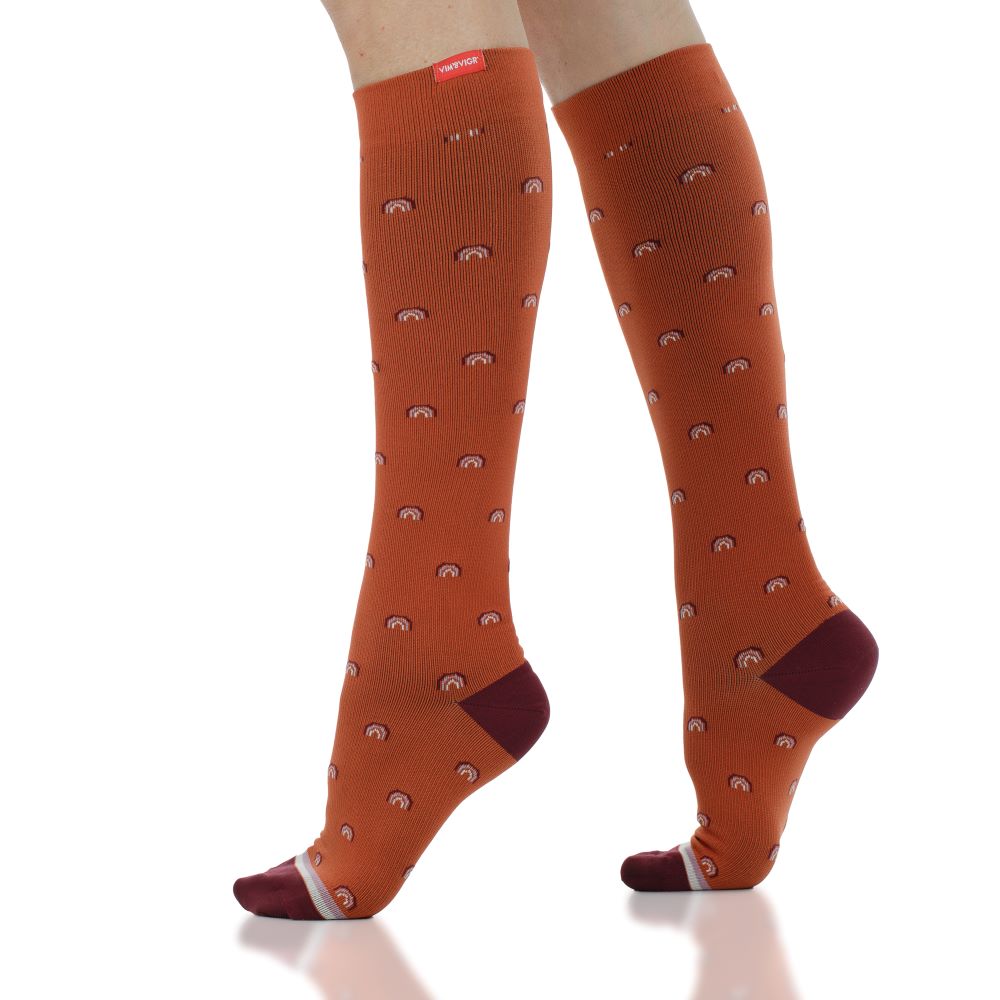
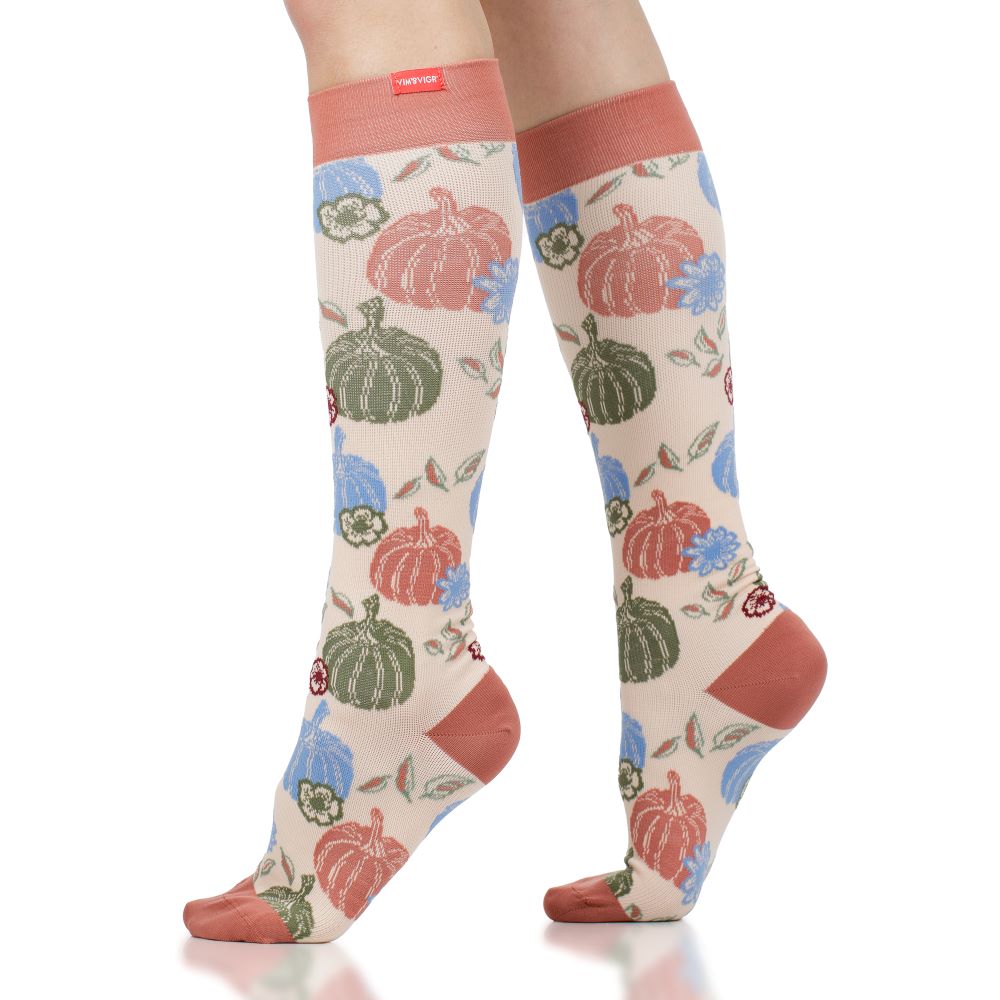
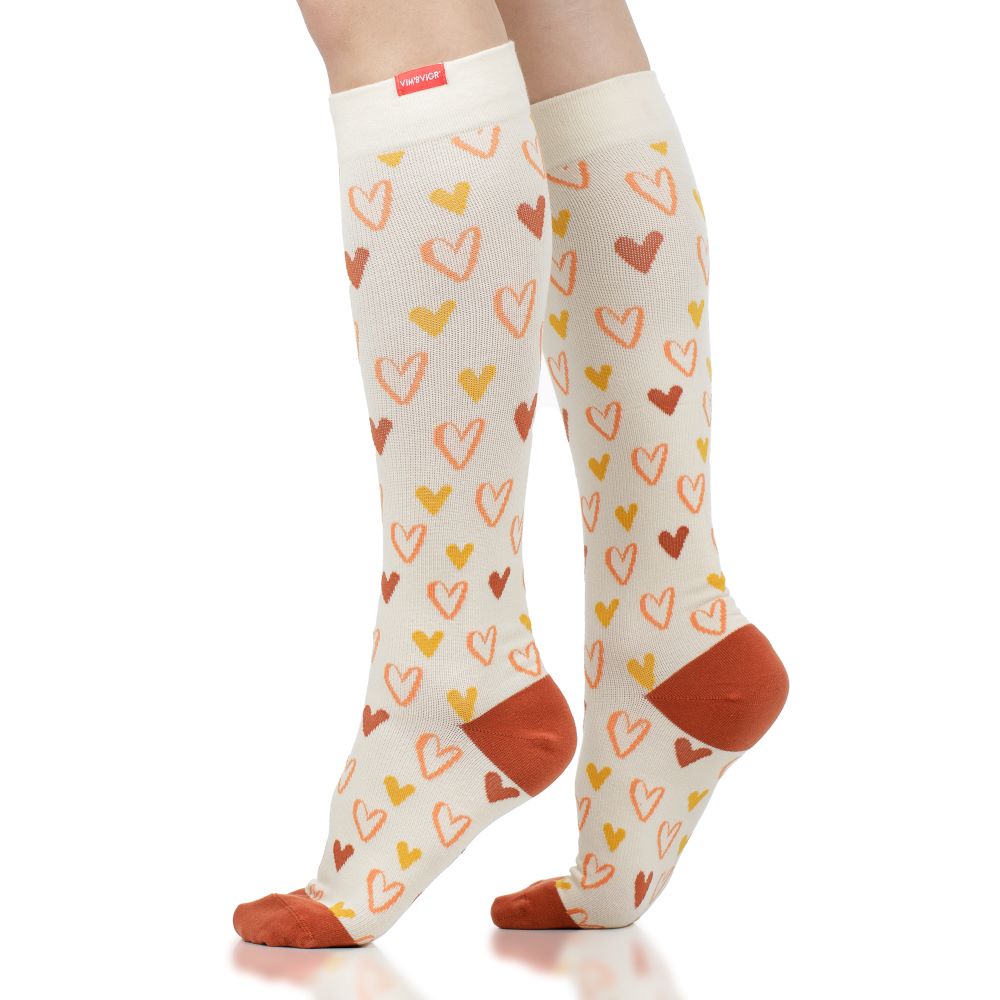
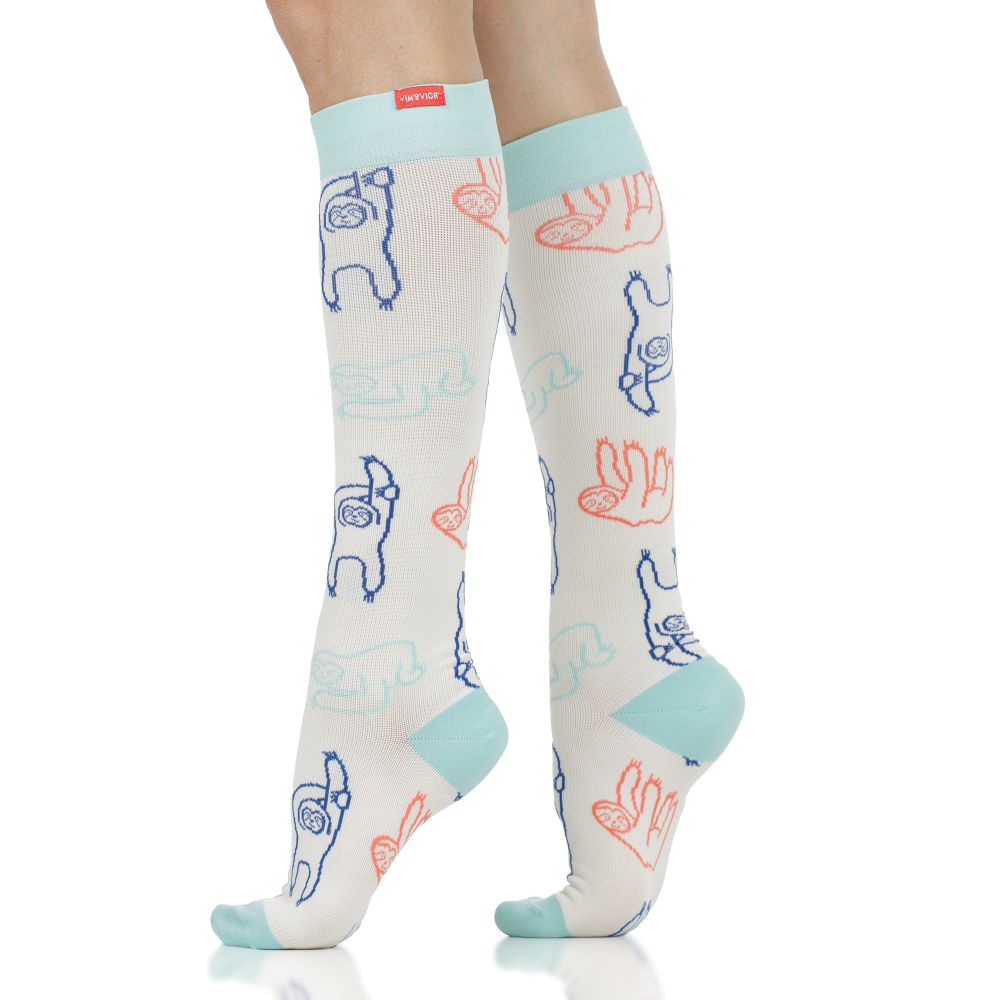



Check out our other Stylish compression Options



FAQs
Most sale styles are final sale and cannot be returned or exchanged — check the individual product listing to confirm before ordering. For styles not marked final sale, our standard 30-day hassle-free return policy applies: free prepaid shipping label, no questions asked. Full details on our returns and exchanges page.
Yes. Sale styles are the same premium compression socks — same fabrics, same graduated compression, same fit. They're discounted because we're making room for new designs, not because anything is wrong with them. Once a style sells out, it won't be restocked.
Yes — free U.S. shipping applies to all orders over $75, including sale orders. For orders under $75, shipping rates are calculated at checkout. International shipping rates and any applicable duties are also calculated at checkout. See our shipping and handling page for full details.
Many people with peripheral neuropathy find that mild graduated compression (typically 15–20 mmHg) helps improve circulation in the lower legs and reduces discomfort. That said, neuropathy can affect sensitivity, so it's important to consult your doctor before starting compression therapy to confirm the right level for your condition.
If you're new to compression socks, 15–20 mmHg is the standard starting point — firm enough to improve circulation and reduce swelling, comfortable enough for all-day wear. If you have more significant swelling, a medical condition, or a doctor's recommendation, 20–30 mmHg may be more appropriate. Not sure? Our compression quiz can help you find the right fit.
Many people with peripheral neuropathy find that mild graduated compression (typically 15–20 mmHg) helps improve circulation in the lower legs and reduces discomfort. That said, neuropathy can affect sensitivity, so it's important to consult your doctor before starting compression therapy to confirm the right level for your condition.
Yes, with the right compression level and fit. People with diabetes often experience poor circulation and swelling in the lower legs, and 15–20 mmHg graduated compression socks can help. It's important to choose socks with a seamless toe and moisture-wicking fabric to reduce irritation. Browse our compression socks for diabetes collection for styles designed with these needs in mind.
Yes. Graduated compression socks are a clinically recommended first-line approach for managing varicose veins. They apply gentle pressure that helps push blood back up toward the heart, reducing the pooling that causes veins to bulge. Browse our varicose vein compression socks for recommended styles.
Yes. Compression socks during pregnancy are safe and widely recommended by OB/GYNs. They help reduce swelling, relieve leg fatigue, and lower the risk of varicose veins and blood clots as blood volume increases. 15–20 mmHg is the standard level for everyday pregnancy wear. Browse our pregnancy compression socks collection.
Compression socks are one of the most commonly recommended non-pharmaceutical interventions for POTS (Postural Orthostatic Tachycardia Syndrome). By applying graduated pressure to the lower legs, they help reduce blood pooling and support blood pressure regulation when standing. Browse our compression socks for POTS collection.
Compression socks are one of the most commonly recommended items for nurses and healthcare workers who spend long shifts on their feet. Graduated compression helps reduce leg fatigue, swelling, and the risk of varicose veins over time. Browse styles popular with medical professionals in our nurses' compression socks collection.
Yes. Long-haul travel — especially flying — significantly increases the risk of blood clots and leg swelling due to prolonged sitting and cabin pressure. Wearing 15–20 mmHg compression socks during flights and long drives helps maintain circulation and reduces discomfort on arrival. Browse our travel compression socks.
Graduated compression during exercise improves blood flow to working muscles and reduces vibration-related fatigue. Post-run, compression socks support faster recovery by helping clear metabolic waste from the muscles. Browse our athletic compression socks for performance and recovery styles.
Absolutely. Compression socks are particularly beneficial for anyone who stands or sits for extended periods during the workday. They reduce leg fatigue, minimize swelling, and help prevent varicose veins over time. Browse our compression socks for work collection.
Compression therapy is one of the most widely recommended approaches for managing lipedema symptoms. Graduated compression socks help reduce the buildup of fluid in the lower legs and can ease discomfort during daily activity. For a deeper look at how compression supports lipedema management, visit our lipedema guide.


