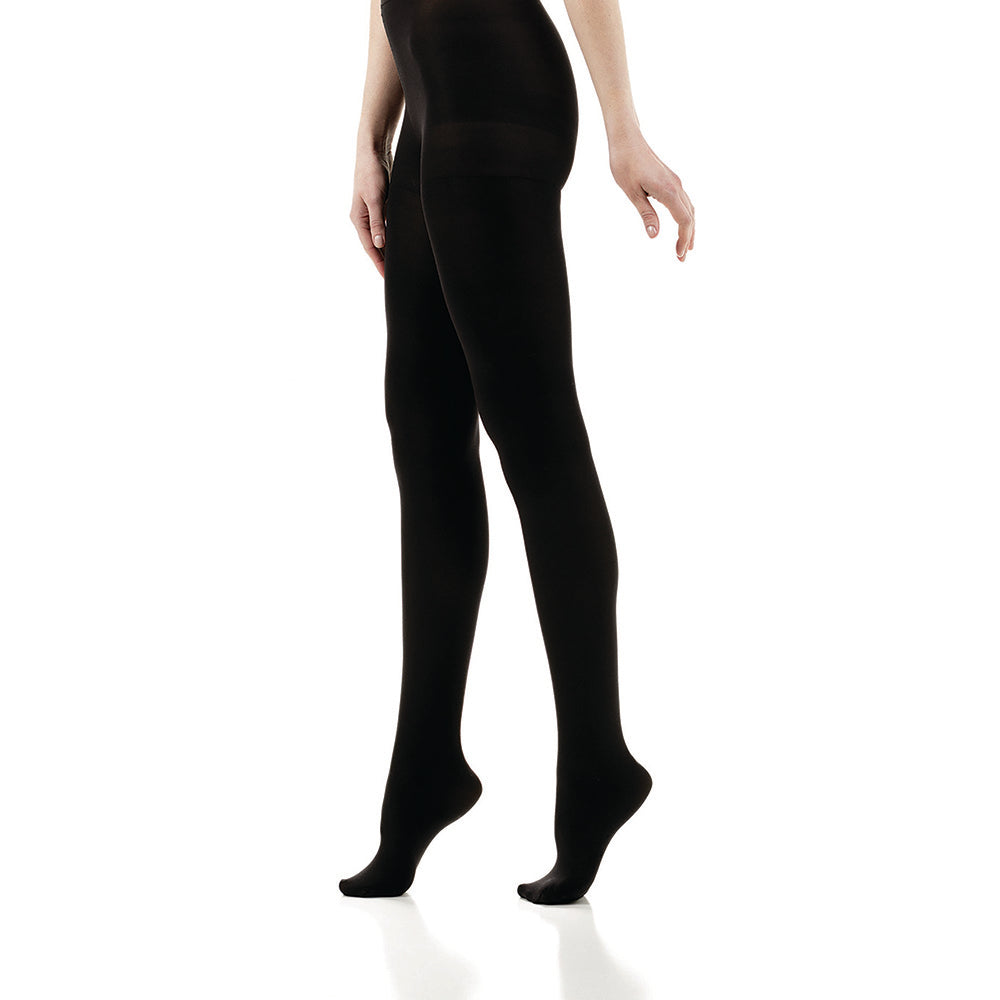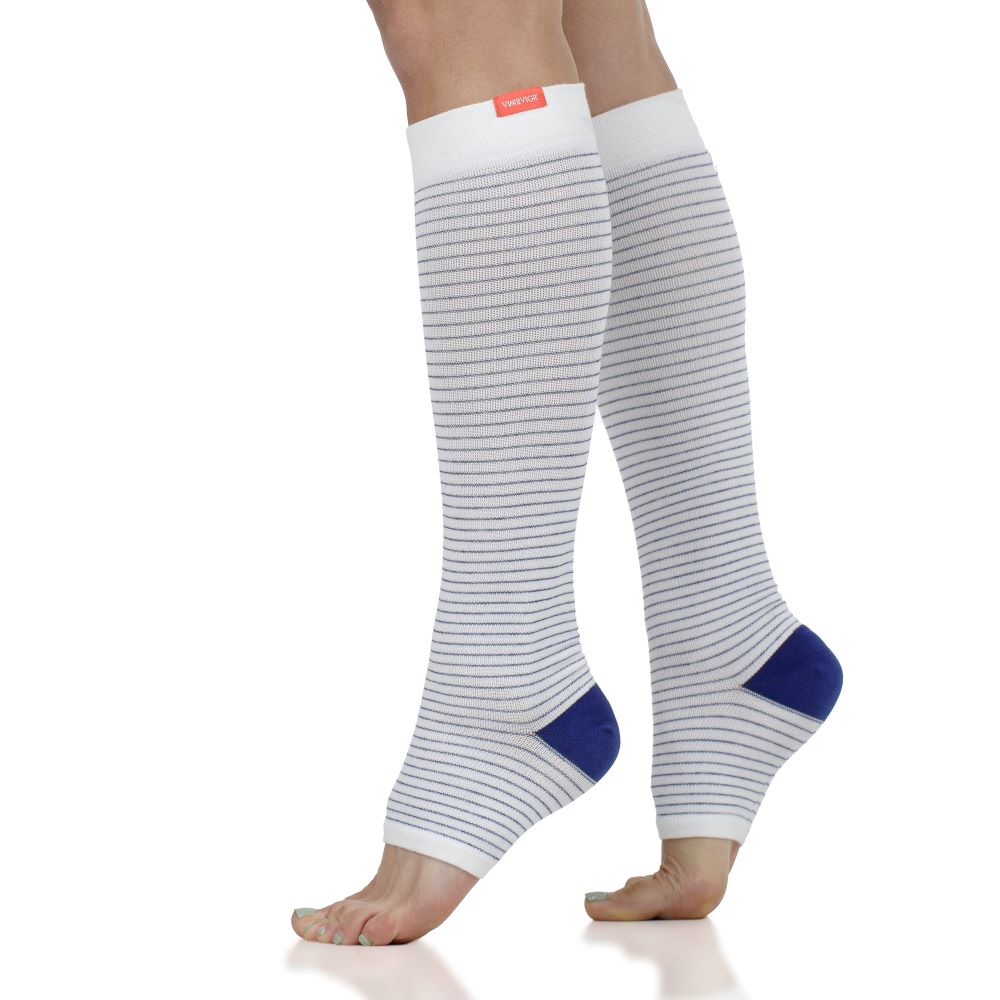


30-40 mmHg Compression Socks
Extra-firm, medical-grade compression designed for significant swelling, severe varicose veins, or post-surgical recovery, typically worn under a doctor’s supervision for advanced support and circulation management.
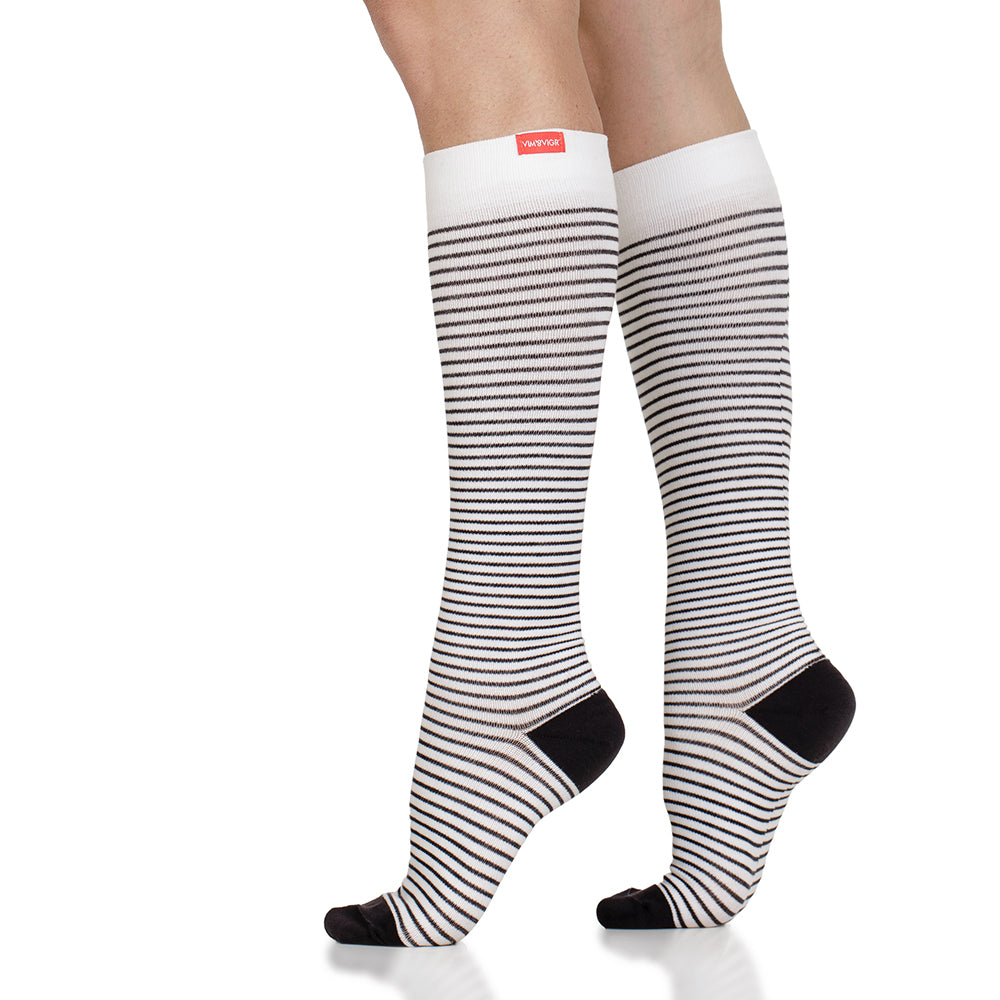


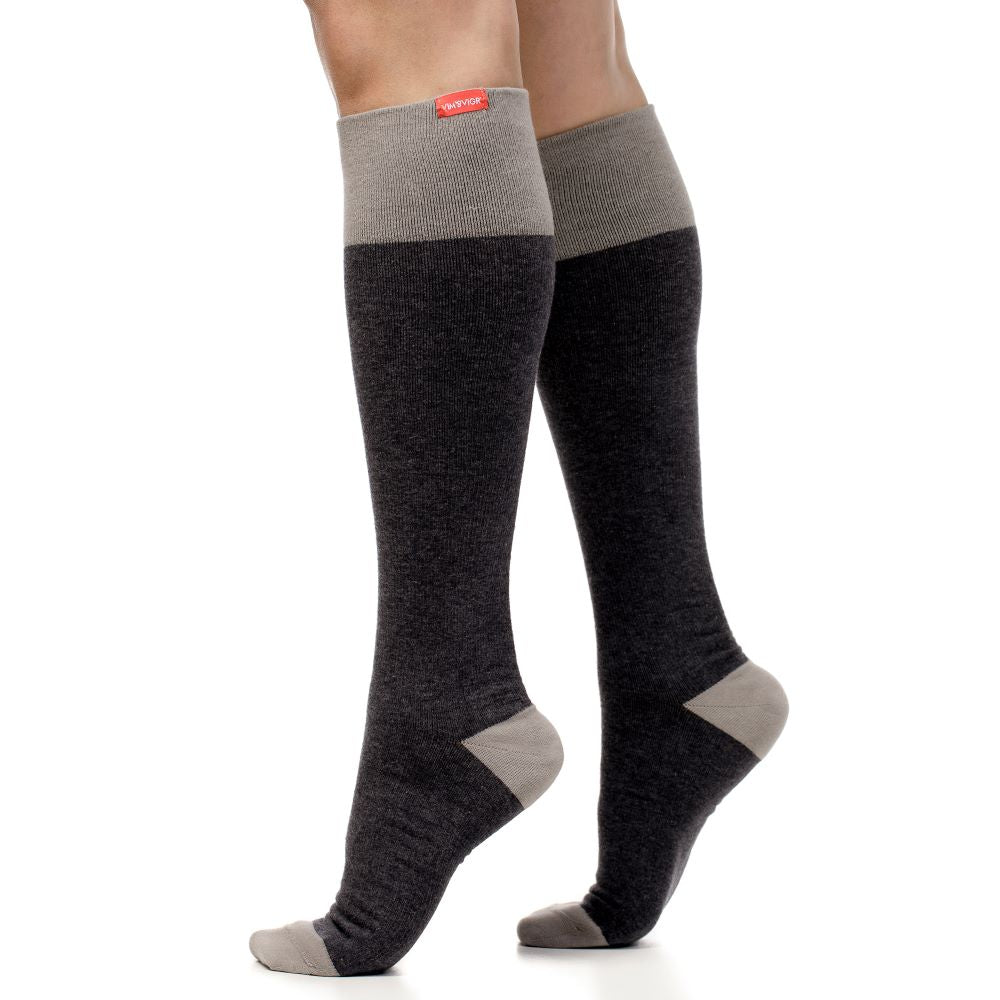
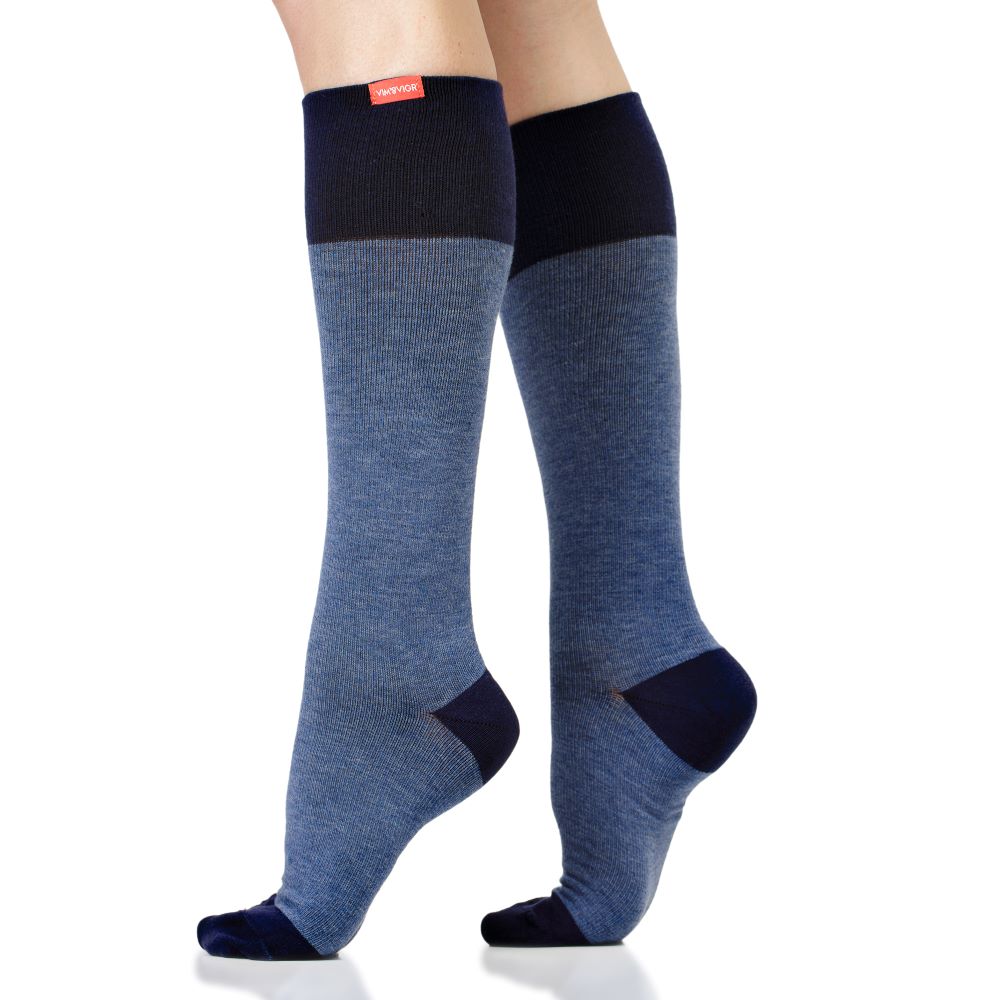
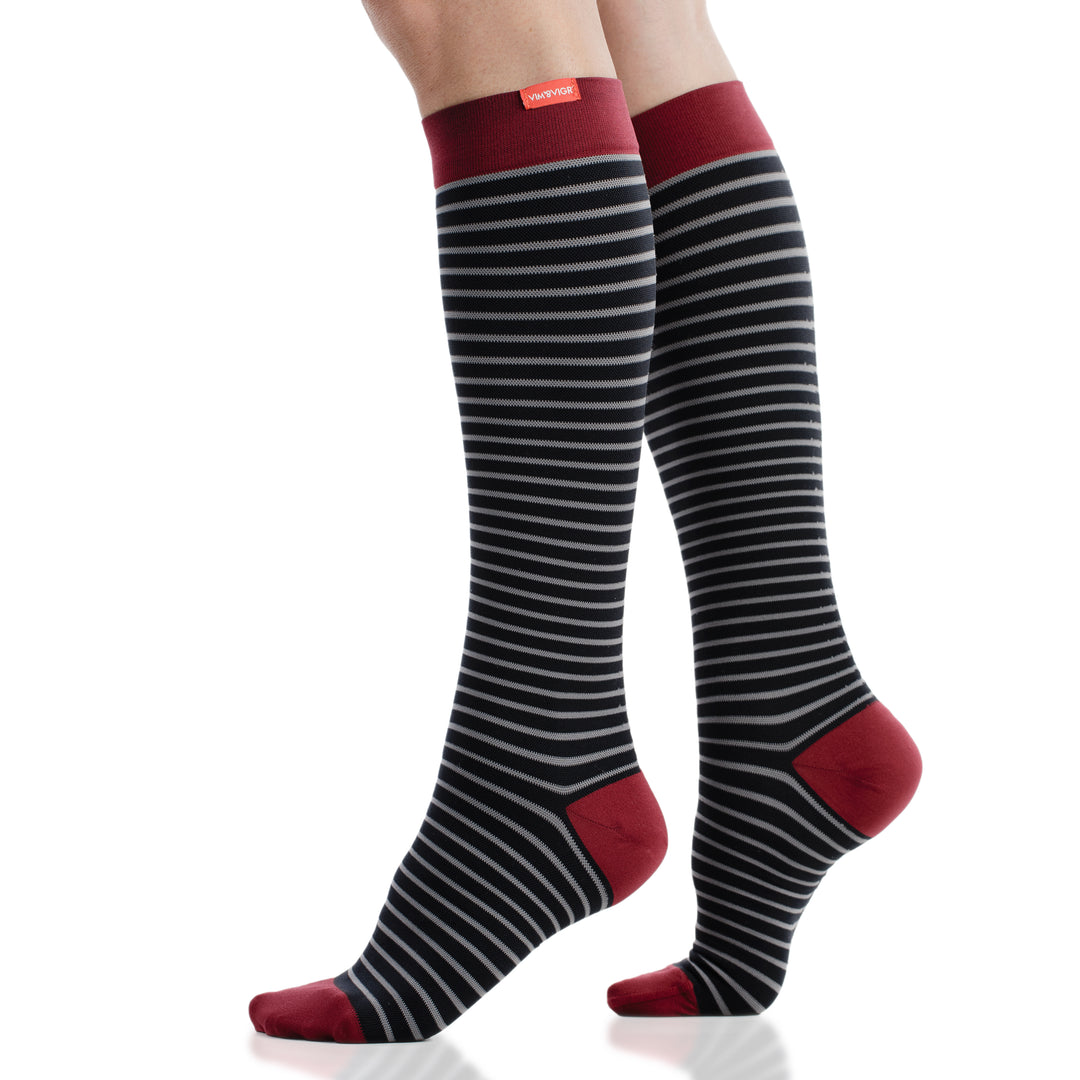
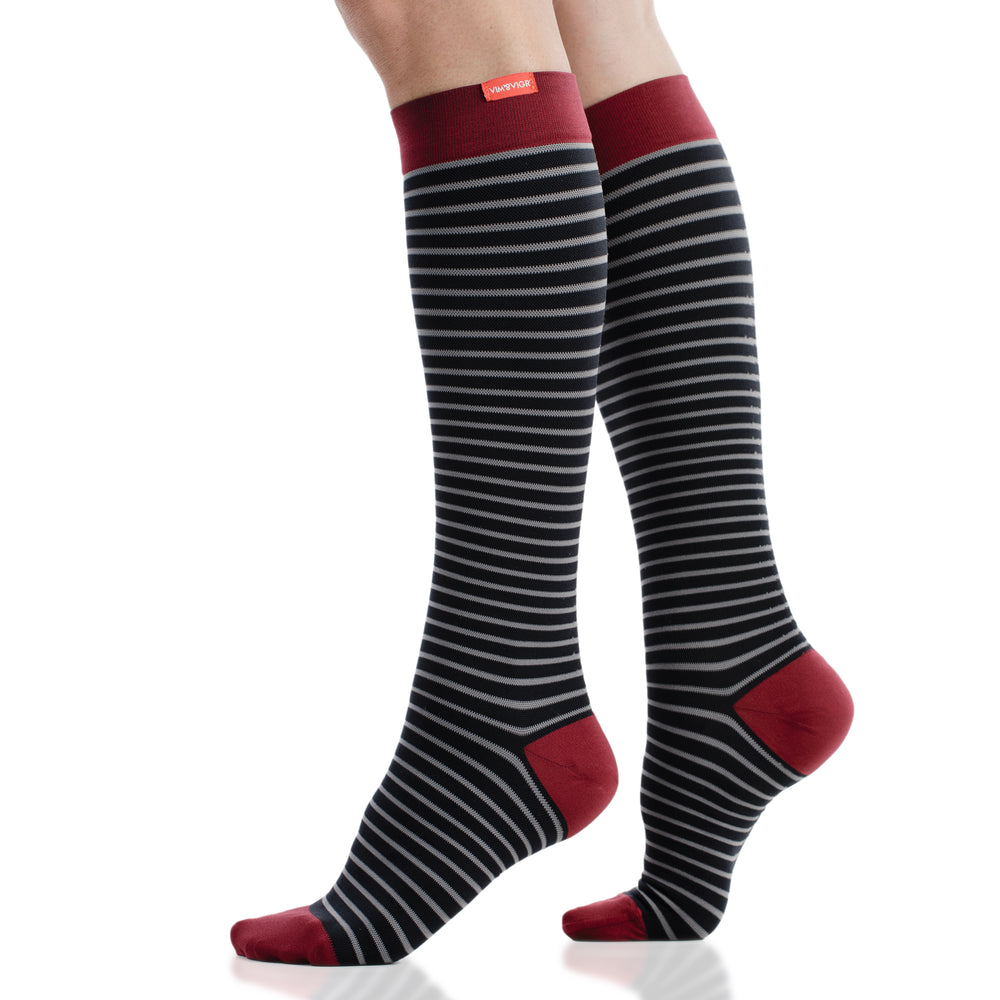
If you're dealing with significant swelling, chronic venous insufficiency, lymphedema, DVT, or recovering from surgery, our 30-40 mmHg compression socks deliver the firm, medical-grade support your legs need. This is the highest level of compression available in over-the-counter styles at VIM & VIGR, and it's engineered for people who require serious therapeutic relief without sacrificing all-day comfort.
Our medical grade compression socks 30-40 mmHg are crafted from premium fabrics — including moisture-wicking nylon and breathable cotton — and feature graduated compression that's strongest at the ankle and gently decreases up the leg. That means better circulation, reduced pooling, and less fatigue, whether you're on your feet all day, traveling long distances, or following a doctor's care plan post-surgery.
Wearing compression socks 30-40 mmHg is often recommended by physicians and vascular specialists for conditions like varicose veins, edema, post-surgical recovery, and vasovagal syncope. Learn more about the unexpected benefits of wearing compression socks, including how 30-40 mmHg helps manage edema, and how to use higher pressure like 30-40 mmHg after surgery.
Not sure if this level is right for you? Explore our guide on compression sock safety and learn when 30-40 mmHg is the appropriate choice for post-recovery. You can also discover how 30-40 mmHg compression is used for vasovagal syncope management and what role 30-40 mmHg plays in compression leggings.
Frequently Asked Questions
Yes — wearing a compression level that's too high for your needs can do more harm than good. If 30-40 mmHg is too strong for your condition, it may cause numbness, tingling, skin irritation, or impaired circulation. That's why it's important to match compression level to your specific health needs. Start with a lower level if you're new to compression wear and always consult a healthcare professional before stepping up to firm, medical-grade compression socks 30-40 mmHg.
No, it's generally not recommended to sleep in 30-40 mmHg compression socks. At this firm level of compression, wearing them while lying down can restrict blood flow unnecessarily and may cause discomfort or adverse effects. Unless your doctor has specifically instructed you to wear compression overnight, remove them before sleeping. If you have concerns about nighttime swelling, speak with your physician about alternative options.
Most healthcare providers recommend wearing compression socks during waking hours — typically 8 to 12 hours per day — and removing them before bed. For 30-40 compression socks, your doctor may have specific instructions based on your condition, so it's best to follow their guidance. Generally, you should put them on in the morning before swelling starts and take them off in the evening when you elevate your legs.
In many cases, yes — 30-40 mmHg is considered a prescription-level compression strength in the United States. While you can purchase our medical grade compression socks 30-40 mmHg directly from VIM & VIGR, we strongly recommend consulting your doctor or a vascular specialist before using this level of compression. Wearing firm compression without proper guidance can be counterproductive or unsafe for certain conditions.
The key difference is the level of pressure applied to your legs. 20-30 mmHg is considered moderate compression, suitable for mild swelling, travel fatigue, and everyday support. 30-40 compression socks provide firm, extra-strong pressure — classified as medical grade — and are typically recommended for more serious circulatory conditions, significant edema, severe varicose veins, or post-surgical recovery. The higher the mmHg, the greater the therapeutic effect, and the more important it is to use them under appropriate guidance.
These socks are ideal for people managing conditions such as chronic venous insufficiency, lymphedema, deep vein thrombosis (DVT), moderate-to-severe varicose veins, post-surgical swelling, or vasovagal syncope. They're also used by patients with significant edema or those following a doctor-recommended compression protocol. If you've been prescribed firm compression by a healthcare provider, our 30-40 mmHg compression socks are designed to meet that need comfortably.